
Drone footage on a listing: when aerials sell and when they distract
Drone footage can close deals or kill attention spans depending on how it's used. Here's how to decide when aerials earn their place on a listing.
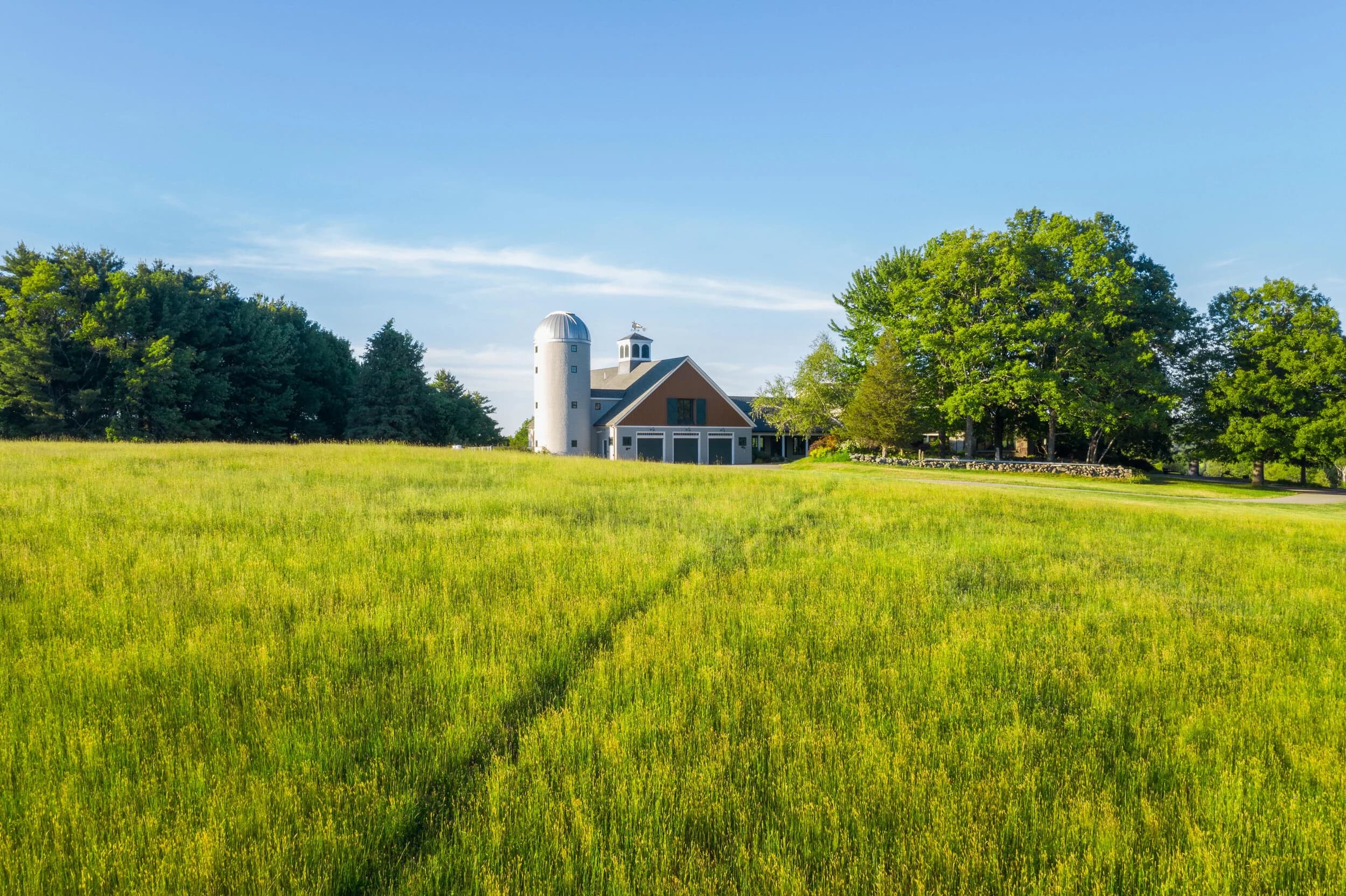
Drone footage on the wrong listing doesn't just waste money. It tells buyers something unflattering about the property before they even read the description.
The case for aerials is strong, but conditional
Aerials work when the camera reveals something a ground-level lens cannot. That's the whole test. If pulling back 200 feet adds context that makes a buyer lean in, shoot it. If it just shows a roof and some asphalt, skip it.
Properties that consistently benefit from drone:
- Waterfront and water-view homes. The relationship between the house and the water reads instantly from the air. No interior shot replicates it.
- Large lot or acreage listings. Buyers shopping for land need to understand scale. A drone establishes it in three seconds.
- Properties with strong curb appeal or landscaping. A well-composed aerial at low altitude can outperform a ground-level front shot when the roofline, hardscape, and greenery all read together.
- Neighborhood context. Proximity to a beach, a marina, a golf course, or a park is a selling point. Show it.
- New construction and developments. Drone is almost mandatory here. Buyers purchasing off-plan or early in a phase need to understand the site, the surrounding lots, and the build progress.
When drone footage actively hurts a listing
This part gets skipped too often.
An aerial of a townhouse surrounded by identical townhouses tells the buyer nothing useful. An aerial of a condo building in a dense urban block does the same. Worse, it gives the algorithm more content to compete with your interior shots for attention, and the aerial usually loses.
Drone also underperforms when:
- The lot is tight or the setbacks are close. Flying over a house with six feet of clearance on each side shows buyers exactly how little space there is. Sometimes that's fine. Often it's not the first impression you want.
- The neighborhood context is neutral or negative. If pulling back reveals a strip mall, a highway, or a utility corridor, you have just handed buyers a reason to pass.
- The property's value is entirely interior. A fully renovated condo in a generic mid-rise sells on kitchen finishes, bathroom tile, and square footage, not rooftop vents.
- The weather cooperated but the surroundings didn't. Bare trees, muddy ground, or a neighbor's unfinished addition all show up clearly from 150 feet.
How to brief your drone operator
Most agents order drone as a checkbox. That produces generic orbits that look identical across thousands of listings. Get specific.
Before the shoot, answer three questions:
- What is the single feature I want a buyer to understand from the air?
- Is there a direction the camera should NOT face?
- Is the goal a static hero shot, a slow pull-back reveal, or a tracking move past a feature?
A good operator, one who is FAA Part-107 certified and has actually studied the property on satellite imagery before arrival, will use those answers. They will also know the controlled airspace situation before wheels up, not at the location.
Flylisted's drone operators hold FAA Part-107 certification and work across New England, South Florida, the Caribbean, and California. Every shoot starts with airspace verification and a site review. That prep is what keeps the flight legal and the footage usable.
Matching the aerial to the edit
Drone footage also has a pacing problem in listing videos. Sweeping aerials feel cinematic at 20 seconds. At 45 seconds they feel like filler. Buyers watching a listing video on a phone are not watching a travel documentary. They want to see the kitchen.
A tight aerial sequence, three to four shots, each under eight seconds, used as an opener or a transition, does more work than a single extended flyover. It establishes the property's setting, then gets out of the way.
For still photography, one strong hero aerial plus one contextual shot showing the surrounding area is usually the right ratio. More than that and the photo gallery starts to feel padded.
The straightforward decision framework
If you are still uncertain whether a listing warrants drone, run this check:
- Does the property have a distinctive outdoor feature, lot size, view, or location that matters to buyers? Shoot drone.
- Is the property's appeal primarily interior, or does the exterior context work against it? Skip drone and put the budget into Matterport or additional interior shots.
- Is the development or new construction? Drone is almost always worth it.
That's the call. Drone is a tool with a specific job. Use it when the job exists.
See Flylisted's drone and full photography packages at our pricing page.