
Virtual staging for vacant multi-unit projects: per-unit costs
Break down the real economics of virtual staging for apartment buildings, condos, and rental communities. Pricing, ROI, and when it makes sense.
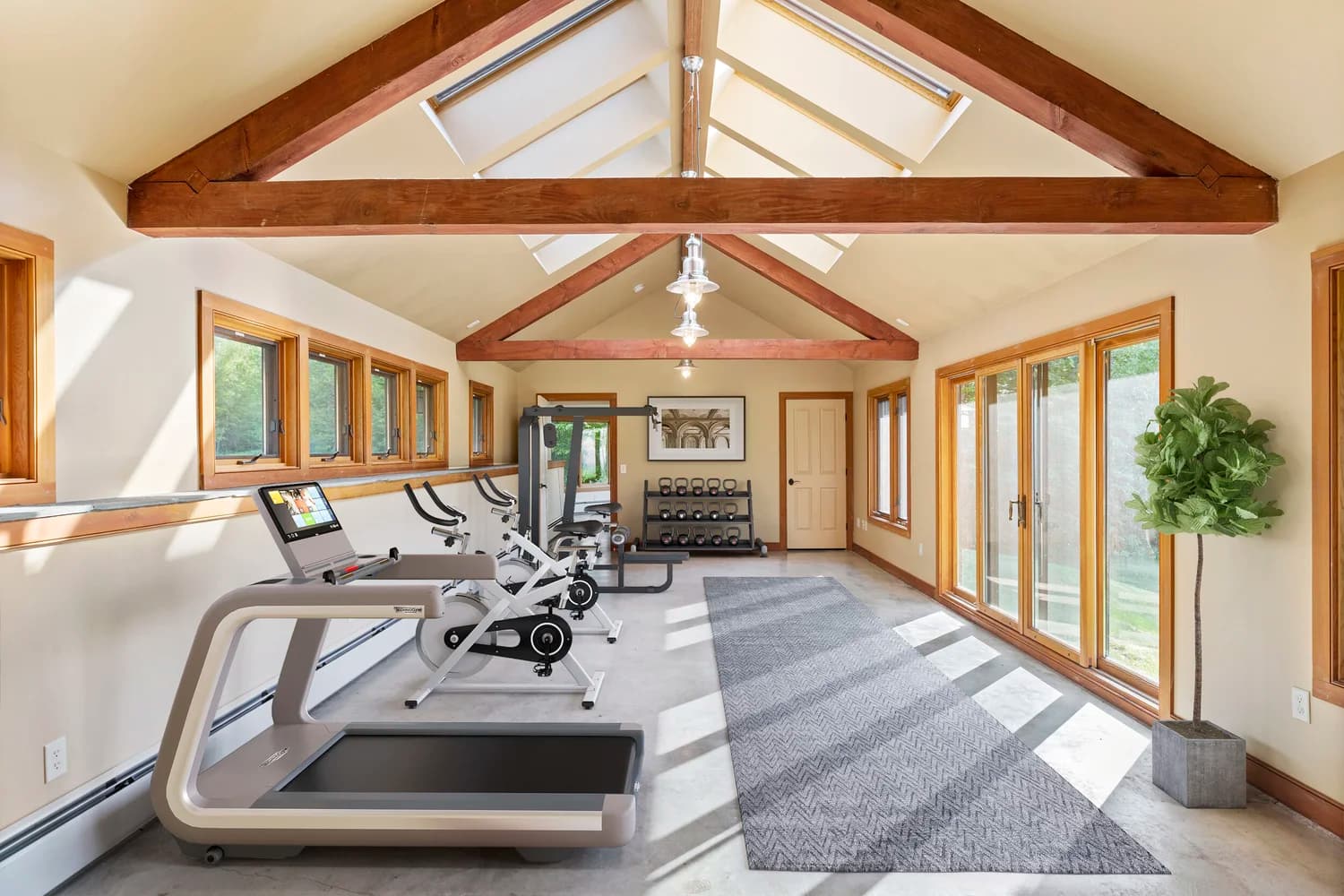
Virtual staging a vacant 200-unit apartment building used to mean hiring an interior designer to furnish one or two model units in person. Now you can stage 20, 50, or all 200 units digitally for a fraction of that cost. The question isn't whether to do it. It's how many units justify the spend.
The per-unit math
Virtual staging costs between $75 and $150 per unit for a standard apartment (1-bed, 2-bed, 3-bed). A photo-real rendering of a vacant living room, bedroom, and kitchen takes 2-4 hours of staging and rendering work. At Flylisted, a typical multi-unit project runs $85 to $125 per unit depending on scope and unit variety.
Compare that to a furnished model unit. Construction, furnishings, and ongoing maintenance of a single model typically runs $15,000 to $40,000. A leasing agent's time showing an empty unit versus a staged one costs money too, in the form of lower conversion rates.
The math shifts in your favor fast. 20 virtually staged units cost $1,700 to $2,500. A single model unit costs 6 to 20 times that.
When to stage all units vs. a few
If you're pre-leasing a project with 6 months or more before occupancy, stage units across multiple floor plans and exposures. Prospective tenants need to see north-facing versus south-facing units, corner units, mid-floor units. A typical 150-unit building has 4 to 6 distinct floor plans. Stage 2 to 3 units per plan. That's 8 to 18 staged units.
If you're leasing a 30-unit conversion or small multifamily, stage every unit in inventory. The cost per unit drops with volume, and you remove the objection of "is this unit different from the one I'm seeing online."
For large communities (300+ units), stage the top 30 to 50 units by desirability. Stage the premium corner units, the ground-floor units with patio, the penthouse. Stage the standard units. Don't stage every mid-floor, mid-exposure identical unit. One or two examples are enough.
Virtual staging plus photography: the better play
Virtual staging without professional photography is a missed opportunity. A blurry phone photo with furniture added looks worse than a blurry phone photo of an empty room.
Flylisted shoots 6,953 projects. 4,000+ of those include multi-family and commercial properties. The standard workflow for a vacant building is: professional photography, then virtual staging applied to those images. You get the lighting, composition, and quality of a proper photo shoot plus the merchandising power of furniture and decor.
A vacant 50-unit building takes one day to photograph (roughly $1,500 to $2,500 depending on scope). Virtual staging of those 50 units runs $4,250 to $6,250. Total: $5,750 to $8,750 for a fully marketed vacant building.
That same building with a furnished model unit and traditional marketing costs $20,000 to $50,000 and requires ongoing upkeep. The choice is clear.
ROI on staged units
Leasing teams report 15 to 25 percent higher application rates when a unit is virtually staged. Some report faster lease-up cycles by 2 to 4 weeks. The variance depends on market condition, price point, and whether the staging is professional or amateurish.
Professional virtual staging matters here. A poorly staged unit (bad furniture choices, wrong scale, flat lighting) can hurt your credibility. A well-staged unit (appropriate style, proper lighting, clean composition) drives action.
For a 100-unit building where 20 units are virtually staged, a 20 percent lift in applications on those units alone can move 30 to 50 additional leases. At an average rent of $2,000 a month, that's $60,000 to $100,000 in incremental revenue per month. Virtual staging paid for itself in the first week.
The platform matters
Virtual staging lives online. It goes into your website, your leasing portal, your Zillow listing, your Instagram. It also goes into walk-through videos and Matterport 3D tours. A Matterport tour of a vacant unit is useless. A Matterport tour of a virtually staged unit is a pre-leasing tool.
If you're building a leasing portal or updating your website, stage the units first. Don't build the digital experience around empty rooms.
Getting started
For a single vacant project, start with your five most-viewed floor plans. Stage one unit per plan. Test the impact on your leasing website and portal. If application rates lift, expand to other plans and exposures.
For ongoing development or a portfolio of vacant projects, virtual staging becomes a standard service. It's faster and cheaper than any alternative. The per-unit cost drops with volume, especially if you're working with one vendor consistently.
Start with photography and staging of your top 10 units and measure performance against your baseline.