
24-hour photo turnaround: how we actually hit it
How Flylisted delivers residential photos in 24 hours without sacrificing quality. Process, team structure, and what it takes to stay fast.
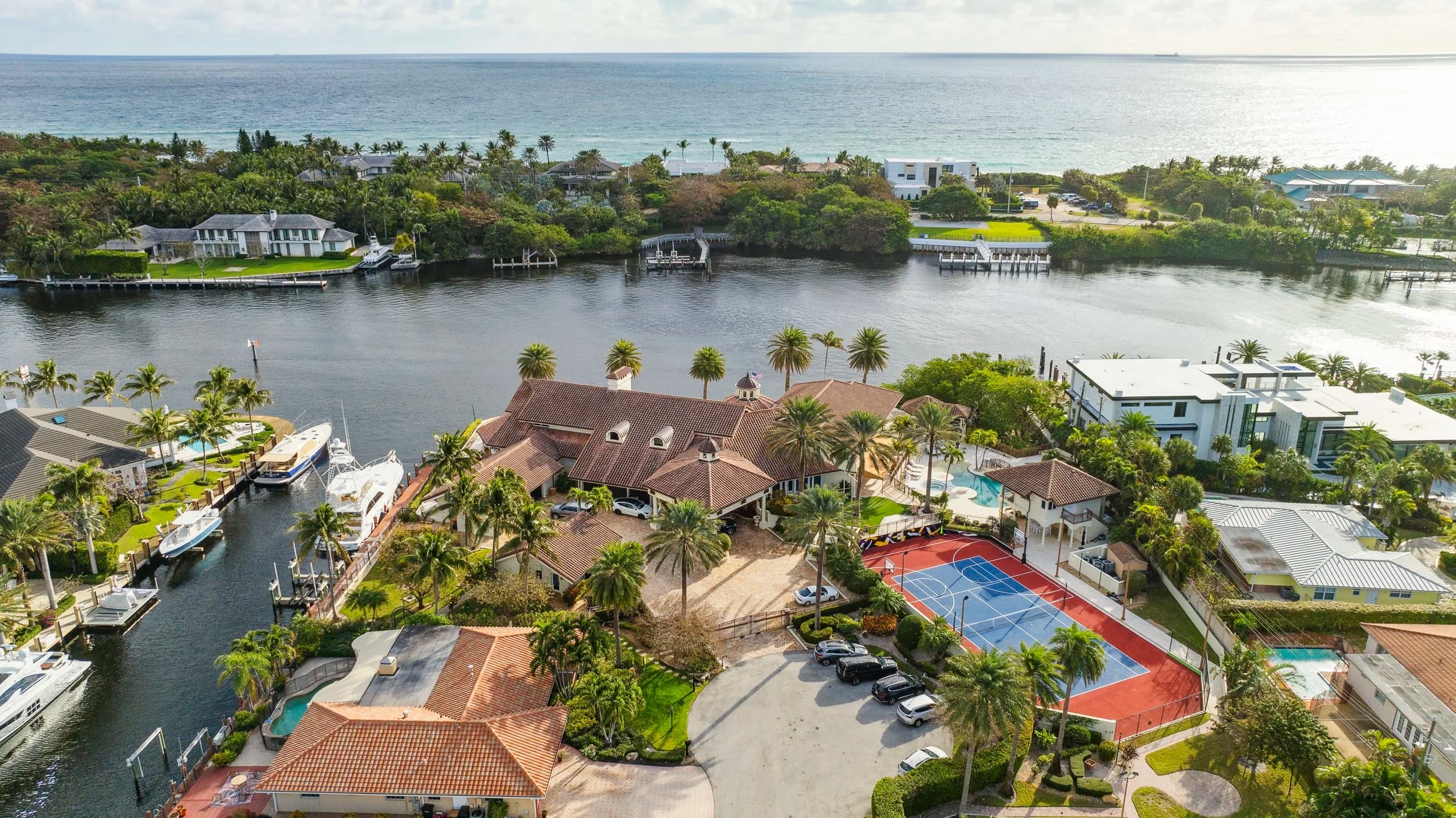
We deliver residential photos in 24 hours. Not "usually." Not "if conditions align." In 24 hours. It's become table stakes in our market, and agents have learned to expect it. But speed without quality is just fast garbage.
Here's how we actually do it without cutting corners.
The math has to work first
24-hour turnaround only exists if the workload is predictable and the team is sized for it. We shoot 6,953 projects across New England, South Florida, the Caribbean, and California. That volume lets us hire full-time editors, colorists, and quality checkers who have a single job: process photos fast and right.
If you're a one-person operation trying to shoot and edit your own work in 24 hours, the math doesn't work. You need to know your per-day capacity and staff accordingly. We process roughly 30-40 residential projects per day across our regions. That's not a flex. That's a constraint we build everything around.
Shoot clean to begin with
The fastest edit is the one you don't have to redo. Our photographers shoot to the Flylisted standard (composition, exposure, consistency across the property) because the onboarding and shooting guides are explicit. Ambiguous photos slow down the editor. Clear shots with proper exposure and framing move through the pipeline.
This also means shooting the same way every time. Same white balance approach. Same focal lengths. Same staging expectations. Variation is the enemy of speed.
Batch processing, not one-offs
Editing 40 photos for one property one at a time is slower than editing all interiors, then all exteriors, then all details across five properties at once. We group similar work. Color grading batches. Exposure corrections batches. Cropping and straightening batches. The editor stays in the same mode and context, and their hands don't switch tools constantly.
This is why custom requests or one-off properties that fall outside the standard package slow us down. They require context switching.
Quality gates, not perfection
We don't chase perfection. We chase the standard. Every photo gets reviewed against a checklist:
- Exposure correct within the range for that room type
- White balance consistent with the property
- Composition matches the style guide
- No distracting artifacts or sensor issues
- Staging and furniture placement appropriate
That's four layers of eyes on most files (shooter, first editor, QA checker, and sometimes a senior editor for tough calls). We reject photos that miss the standard and send them back for rework. This is what protects speed: standards are clear, not subjective.
Dedicated infrastructure
We don't use shared cloud storage or generic editing software. We have a proprietary upload system, a database that tracks each job, and a queue that's visible to the whole team. An editor can see which photos are marked for rework, which are pending QA, which are done. Bottlenecks surface immediately.
We also don't wait for the entire shoot to finish before starting edits. The photographer uploads batches as they finish each property. The editor starts processing while the shooter is still on site. That overlap cuts hours off the timeline.
Team bandwidth is the real constraint
Speed breaks when you overload the system. We turn down work or extend timelines if we're above capacity. A faster deadline on an off-peak week is easy. The same deadline during peak season is a conversation about trade-offs. Maintaining 24-hour turnaround requires saying no sometimes, or bringing in contract editors who know the standard.
Agents sometimes ask if we can do 12 hours. We can, but only for one or two jobs per week, and the price reflects the labor cost.
What doesn't make the cut
Complex retouching, extensive virtual staging, or major lighting fixes slow us down. If a property needs those things, the timeline moves to 48 or 72 hours. We're honest about that upfront. A 24-hour turnaround assumes the property is staged, lit reasonably, and doesn't need heroic post-production work.
Similarly, rush timelines only work for standard packages. Add Matterport 3D or drone work to a 24-hour request and you're changing the scope mid-delivery.
The competitive advantage
Fast delivery lets agents list faster. Faster listings hit the market when demand is highest. It's not a marketing claim. It's a workflow tool. Agents who work with us structure their entire listing process around 24-hour photo delivery. They schedule the shoot, we deliver the next morning, and they can list by end of day.
That speed matters in a market where time on market still drives price.
Speed without standards is noise. We've built the team, the systems, and the boundaries to protect both. It's not magic. It's the cost of making a simple promise and keeping it.
Learn more about our residential photography services and turnaround times.