
Aerial photography for resort amenities: marketing and operations
Drone footage reveals resort grounds, pools, and guest experiences in ways ground-level photos cannot. Here's how operators use it.
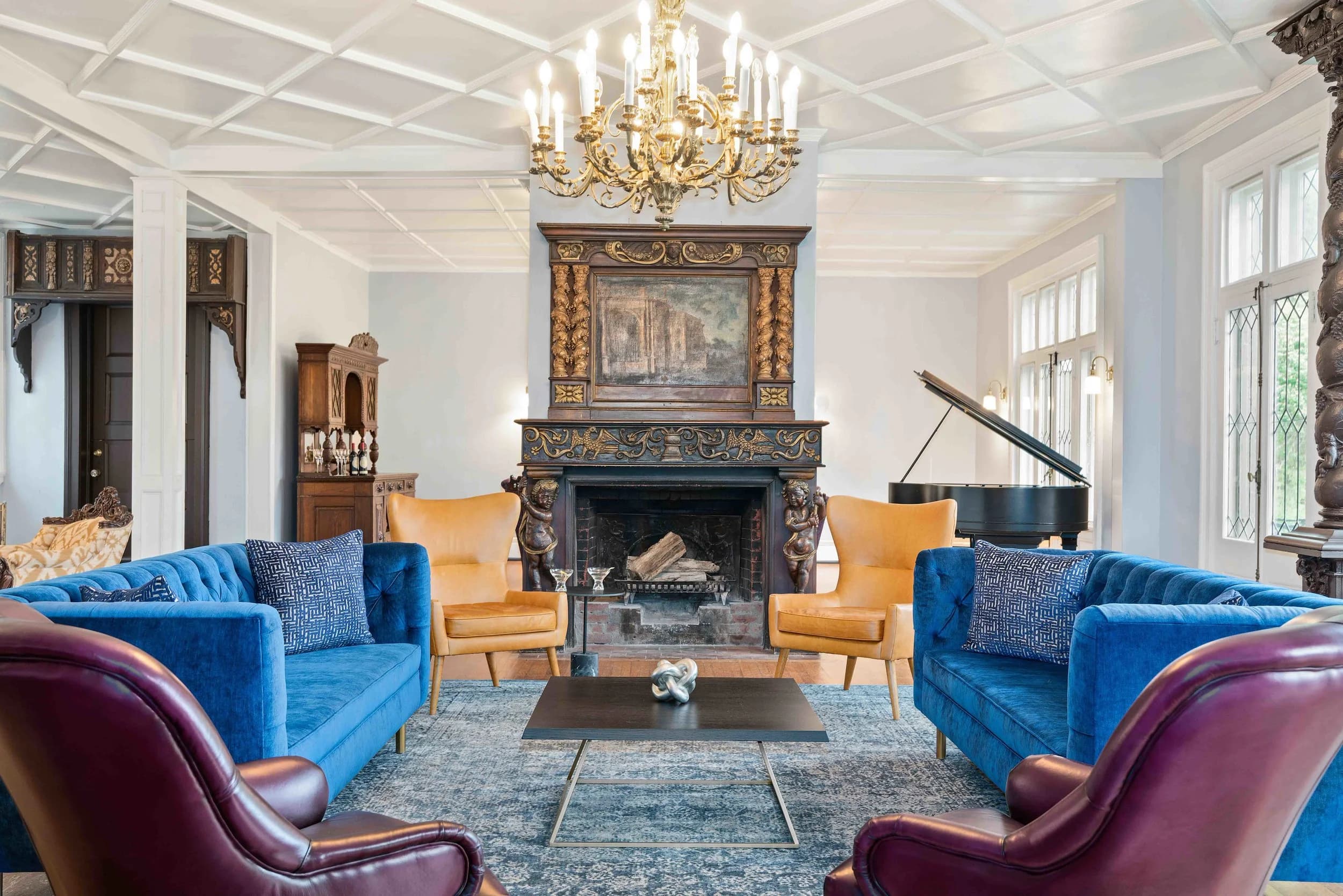
Guests book resorts based on what they see online. A still image of a pool deck tells them where the loungers sit. An aerial shot tells them where the resort sits relative to water, trees, parking, and neighboring properties. One answers a question. The other answers why the guest should stay there instead of three miles down the road.
Drone photography serves two distinct purposes for resort operators: marketing content that draws bookings, and operational documentation that tracks construction, grounds maintenance, and capital projects over time.
Why aerial changes how guests evaluate a resort
A guest arriving at a resort has already made a decision to spend money there. But the person scrolling the resort's website at 10 p.m. is still choosing between five options. Aerial photography shows:
- Layout and scale of the property relative to beaches, roads, or city center
- Pool, spa, and recreation areas in context
- Grounds condition and vegetation maturity
- Parking and guest arrival experience
- Proximity to attractions or natural features
Ground-level photography is essential. Aerial photography answers the "where are we, really" question that decides whether the listing gets a second look.
Marketing content that performs
Resorts in New England and South Florida both benefit from aerial context, though the story changes. A New England property might emphasize lakefront position, forested setting, or seasonal foliage. A South Florida resort leans on beachfront footage, pool design, and year-round outdoor amenities.
Video performs better than stills on resort booking sites and social channels. A 30-second sweep from the driveway across the pool complex to the oceanfront creates a sense of arrival that a single static image cannot. Property websites now expect motion. Guest expectations have shifted accordingly.
Aerial content also works in pre-arrival communication. Guests who have booked want to see their upcoming stay in motion. Showing the resort grounds via drone footage in a confirmation email or mobile app increases anticipation and reduces booking anxiety.
Operations and capital planning
Aerial documentation serves the property manager as much as the marketing team. Drone footage at regular intervals creates a record of:
- Grounds maintenance and landscaping progress
- Parking lot and roadway condition
- Building envelope and roof status
- Construction project phasing and timeline
- Seasonal changes and weathering
Property management companies use these image sequences to track maintenance cycles, justify capital requests to ownership, and flag problems before they worsen. A drone shot every quarter costs far less than a site inspector's report and provides a verifiable visual record.
For developers planning major renovations or expansions, aerial documentation before, during, and after construction proves scope completion and quality to ownership and lenders.
Technical requirements for resort footage
Resort properties demand stability, resolution, and safety. Commercial drone work requires FAA Part-107 certification. Operators must navigate airspace permissions, guest privacy, and operational safety on active properties. Resort management needs to schedule flights during low-occupancy periods or early morning to minimize guest impact.
4K video capture is now the minimum standard. Orthogonal (straight-down) angles work for site plans and construction documentation. Dynamic angles (sweeps, orbits, altitude climbs) work for marketing video.
Resort grounds often include bodies of water, vegetation, and structures that demand smooth piloting and anticipation. A shaky or poorly framed aerial shot undermines the property's brand.
Choosing when to shoot
Timing matters more than you might think. A South Florida resort filmed in harsh midday light looks different than filmed at golden hour. Weather, guest occupancy, seasonal landscaping, and property maintenance all affect the final image.
For marketing content, most resorts benefit from a spring or fall shoot when grounds are manicured and weather is cooperative. Pools are full. Landscaping is mature but not stressed. For operational documentation, consistency matters more than aesthetics. The same location, time of day, and weather conditions on a regular schedule create a useful comparison sequence.
Many resorts shoot twice a year (spring and fall) for marketing refresh and quarterly for operational tracking.
Delivery and usage
Aerial content should be delivered in multiple formats: raw 4K video files for the property's archive and website, edited social-media clips optimized for Instagram and Facebook, still frames extracted from video for brochures or email, and orthogonal site photography for management and planning documents.
Property management systems and construction software increasingly integrate video and image sequences into project dashboards. Resorts that organize aerial footage by date and location can pull comparisons in seconds, not hours.
Starting with clarity on goals
Before booking a drone operator, clarify whether you need marketing content, operations documentation, or both. A single professional flight can deliver both if the timing and scope align. Market-ready video requires different lighting, framing, and editing than operational before-and-after documentation. Communicating this up front saves time and budget.
Flylisted serves hotels and resorts across New England and South Florida with FAA Part-107 drone coverage as part of broader visual documentation and marketing strategy. Check current pricing and availability.