
Architectural photography for California residential modern homes
Modern homes demand photography that captures clean lines and spatial flow. Here's how to market California residential architecture that actually sells.
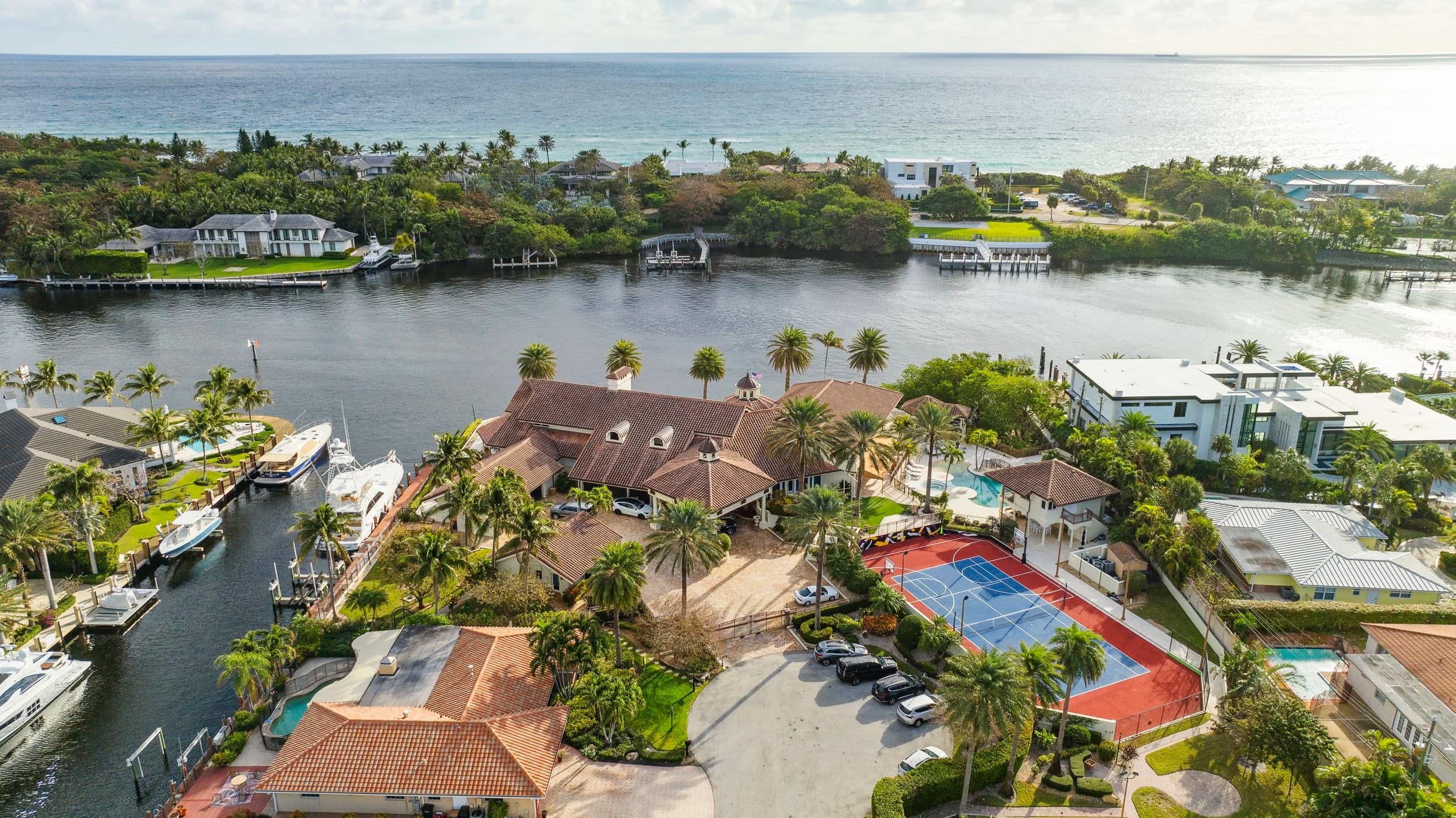
Modern architecture lives or dies on precision. A flat photograph of a minimalist home reads as boring. A sharp one reads as expensive. The difference is technique, not luck.
Flylisted has shot 6,953 projects across the country. California modern homes follow a pattern: they hide their cost in discipline, not ornamentation. The marketing has to reflect that.
What modern architecture demands from the camera
Modern homes use geometry as their primary design tool. Straight lines, open sight lines, clean transitions between interior and exterior. A weak photo collapses that geometry into a flat, generic box.
Strong architectural photography requires:
- Careful lens choice. Wide lenses distort lines; a 24mm can turn a square room into a trapezoid. 35mm or 50mm holds geometry true.
- Precise tripod leveling. Tilt the camera 2 degrees and the lines go wrong. A slouchy sunset photo sells vacation rentals. It tanks a $2.5M modern home.
- Accurate white balance. Color temperature matters more in modern homes because the palette is so controlled. Warm tones muddy the space. Cool tones flatten it. Natural daylight, captured cleanly, lets the architecture speak.
- Time of day that reveals the design intent. Morning light through a wall of glass into a living room shows flow. Noon light through the same window bleaches it white. Afternoon works. You need to know why.
The role of the exterior shot
The curb appeal of a modern home is its composition. A mid-century modern box with a cantilevered overhang and a glass wall doesn't photograph well if you shoot it head-on at eye level. It just looks flat.
Shoot it 10 degrees off-axis, at a height that shows the overhang's geometry, with the landscape framing one edge. Now the eye moves through the frame. The house reads as a thing in space, not a wall facing the camera.
Drones help here. A 40-foot elevation change reveals the relationship between the roof plane, the landscape, and the surrounding context. That's not a gimmick. That's documentation of what you're actually buying.
Interior flow and the open plan paradox
Open-plan modern homes are difficult to photograph because there's nowhere to stand that shows the whole space without distortion. You either get a warped wide-angle or a compressed normal lens.
The solution is series photography, not one hero shot. Photograph the kitchen from inside the kitchen looking into the living room. Then photograph the living room looking back. A third shot from the dining area. Four or five linked images tell the story that one wide shot cannot.
Each photo holds its geometry. Together, they let the buyer understand how the space actually flows.
Details matter more in modern homes
A traditional home's marketing can lean on emotion. Fireplace, crown molding, built-in bookshelves. People read those as warmth.
Modern homes read as intentional. Every detail is there for a reason. The buyer wants to see that reason.
Details to photograph:
- The junction between materials (concrete, wood, steel, glass). These are design statements.
- Hardware, fixtures, light fittings. They're visible and they matter.
- How windows frame views. This is the design working in real time.
- Storage solutions. Modern homes often hide storage; showing how it works builds confidence in the design.
Why the numbers matter
Flylisted has marketed $5B+ in residential value. A meaningful chunk of that is modern homes in California. The ones that sold fast were the ones photographed with clean technique, accurate color, and respect for the design intent.
The ones that sat had photos that treated modern architecture like traditional architecture. Soft focus. Heavy vignetting. Blue-shifted shadows to look "moody." Modern homes don't want mood. They want clarity.
Beyond stills
Modern architecture lives in motion. A video walkthrough that moves through the geometry at a steady pace, with no cuts, no music, no narration, shows the space better than any still photo. Matterport 3D does something similar for the browser. Let the architecture talk.
Done right, architectural photography for modern homes is invisible. The buyer sees the house, not the camera work. That's the goal. Get out of the way, hold the geometry, nail the light, and let the design do the work.