
Brand films for hospitality: storytelling and guest experience
A brand film shows guests who you are before they arrive. Learn how video storytelling shapes experience and drives bookings for hotels and resorts.
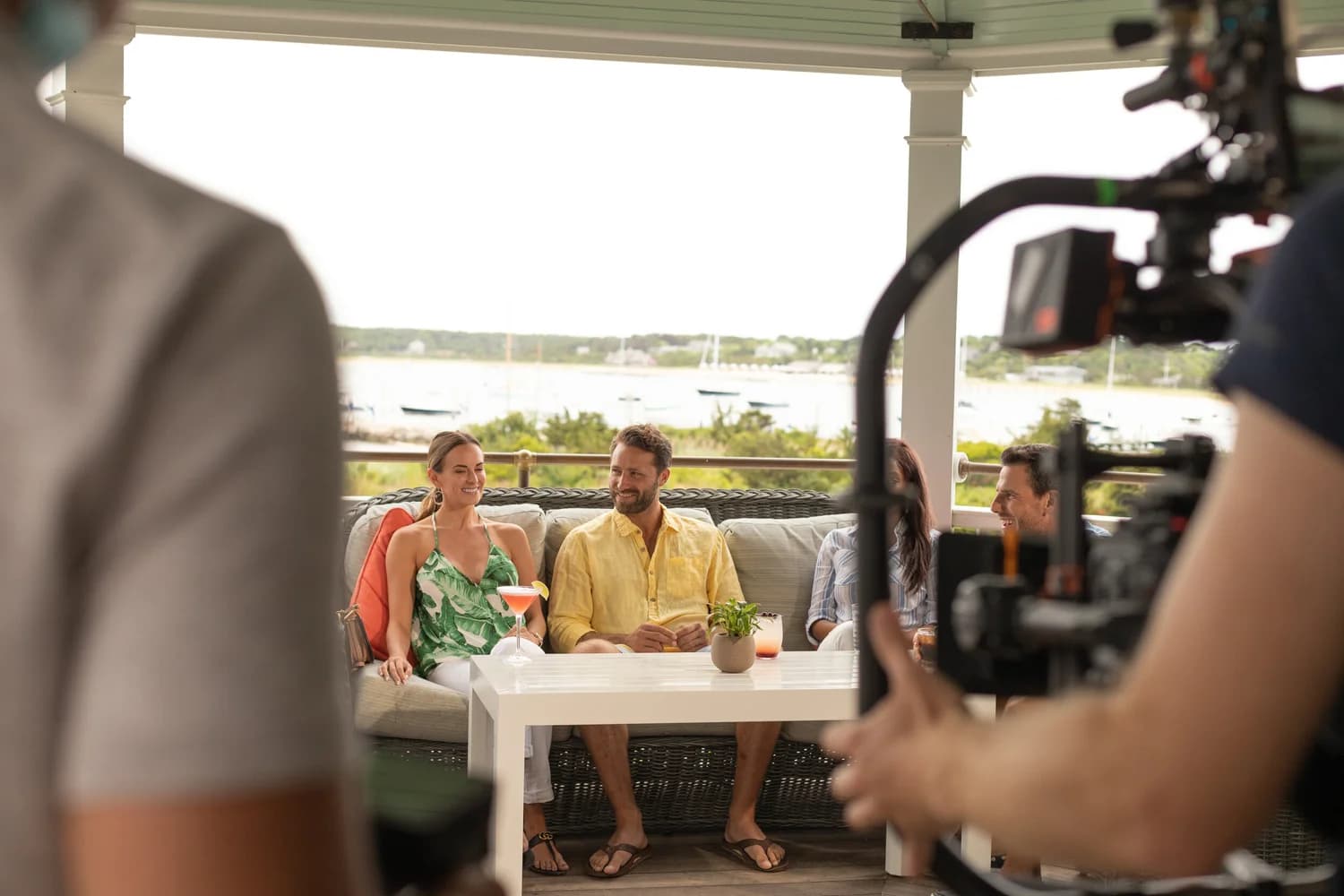
A prospective guest opens your website. They see a static photo of your lobby. Then they see a two-minute film: light moving across your courtyard at dawn, a server pouring coffee, guests laughing on a terrace, your property at dusk. By the end, they've felt the mood of your place. That's a brand film at work.
Hotels and resorts compete on a single currency: the promise of an experience. A brand film lets you keep that promise before a guest even books. It's not a tour video. It's not a commercial. It's proof that you know what matters to the people who stay with you.
Why storytelling matters more than amenities
Guests don't book a hotel for its thread count. They book for the feeling it produces. A fireplace, a view, quiet, laughter at breakfast, a moment of ease on a difficult trip.
A brand film captures those moments. It shows rhythm and light instead of listing features. When a guest watches your film and sees themselves in the story, they're already mentally there. That mental arrival is half the battle. It shortens the gap between "I'm considering this place" and "I'm booking it."
Static photography is necessary. Video is what sells the feeling.
What separates a brand film from a tour video
A tour video says, "Here is the gym. Here is the pool. Here is the restaurant."
A brand film says, "This is what happens when you come here. This is how you feel."
The difference is story structure. A brand film has a beginning, middle, and end. It shows conflict (the guest arrives tired, stressed, out of place) and resolution (they relax, they connect, they leave changed). It's told through guest behavior and property details, not narration.
A tour video answers the question "What's here?" A brand film answers "Who are we, and what will you experience?"
For a hotel, the guest is the protagonist. The property is the setting that enables their story to unfold.
How a brand film drives booking decisions
When a guest watches a film on your website or social feed and feels something, they're more likely to click through. They're more likely to trust you. They're more likely to book directly instead of comparing you on a third-party site.
A brand film also gives you an asset you can use across channels. Post it on Instagram, embed it on your homepage, send it in email marketing. Each time, it reinforces your identity. Repetition builds familiarity. Familiarity builds preference.
Guests also share good videos. If your film resonates, they tag their friends. A guest who watched your film before booking and loved their stay becomes a vector for more bookings. The film becomes part of word-of-mouth.
The technical side: what makes a brand film work
A good brand film for hospitality needs three things.
First, authentic light and motion. Drone footage, moving camera work, and natural light at key times of day. Not theatrical, not oversaturated. Real. If your sunset is stunning, show it as it is. If your breakfast room glows at 7 a.m., capture that glow.
Second, sound design that sets mood. Music matters. So does ambient sound. A fork on a plate, conversation, water, doors opening. Sound builds emotion faster than image.
Third, a clear narrative arc. Show arrival, transition, and departure. Show a guest in your space moving from stress to ease. Thirty to ninety seconds is ideal. Long enough to feel the story. Short enough to hold attention.
Who needs a brand film right now
Hotels and resorts with strong unique positioning. Boutique properties. Resorts with landscape or architecture worth showing. Properties that rely on direct bookings and word-of-mouth. Luxury operators competing on experience, not price.
If your property has a distinctive mood, a brand film lets you own that mood in the guest's mind before they arrive.
Flylisted produces brand films for hotels and resorts across New England and South Florida. We shoot with drone, capture movement and detail, and edit for emotional clarity. The result is a film that works on your homepage, in email, on social, and as part of your booking funnel.