
Brand films for restaurants: interior design and dining storytelling
A brand film shows your restaurant's design, atmosphere, and food in motion. Here's why video matters and how to make one work for your business.
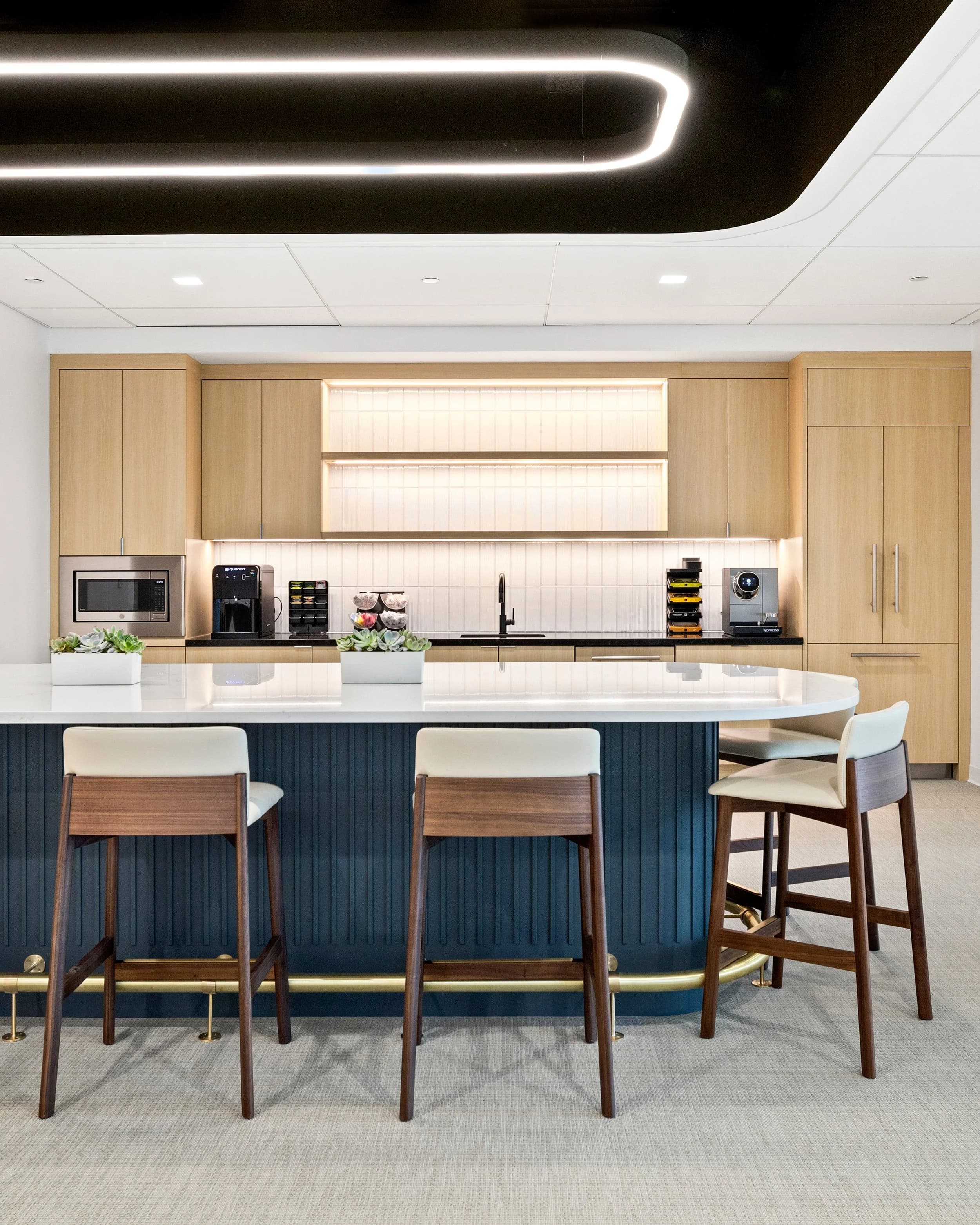
A still photo of your dining room is useful. A one-minute film that moves through it, lands on the bar, shows plating, and captures the energy of service is a tool. Video tells the story a photo can't. For restaurants, that story is everything.
Why restaurants need brand films
Your interior design is an investment. You've chosen colors, materials, lighting, seating, and layout to create a specific feeling. A brand film documents that intentionality and lets prospective diners experience it before they book.
A film also shows function. How does the room feel when it's full? How do servers move through the space? What does the plating look like under your actual lights? These details matter to the guest deciding whether your restaurant matches what they want.
For your team, a brand film becomes marketing collateral. It works on your website, in email, on social, in ads. One asset covers multiple channels.
What a restaurant brand film includes
A strong restaurant film is short, specific, and built around three elements:
- Interior space and design language (color, materials, sightlines, lighting)
- Service and food (plating, hands, motion, texture)
- Atmosphere and guest experience (tables, conversation, energy)
The best films don't try to say everything. They establish a mood. They show your design without narration. They let the space and the food speak. A 60-second film with good pacing, sound, and natural lighting outperforms a three-minute talking-head video.
Design details that move on camera
Interior design reads differently on video than in person. Some choices show beautifully; others disappear.
Texture shows up. Stone, wood, fabric, and metallics look dimensional on camera. Flat walls and generic finishes feel exactly that flat. Your stone-clad bar or reclaimed-wood feature wall earns screen time.
Lighting drives mood. A well-lit dining room on film looks inviting. Poor lighting makes the space feel dull or institutional. Professional video uses your actual lighting and frames shots to emphasize it.
Color and contrast work. A monochromatic room can look sophisticated on video if the lighting and composition are strong. A colorful room with poor contrast can look chaotic. The camera sees what the eye sometimes misses.
Sightlines matter. A film that moves through the dining room, into the kitchen pass, around the bar, and back to a corner table tells the guest how the space flows and where the energy lives.
Shooting schedule and logistics
A restaurant brand film works best during service or immediately after. You want tables set, lighting on, the room staged as a guest would see it. Some shoots happen during a quiet hour (late morning, early afternoon) when the crew can move freely but the space looks active.
Budget three to four hours. The production crew is small (camera, audio, lights if needed). Movement should be planned but not rigid. The best footage often comes from unscripted moments.
A Matterport 3D tour pairs well with a brand film. The 3D shows layout and flow; the film shows mood and texture. Together they give a prospect a complete sense of the space.
Food, hands, and storytelling
The strongest restaurant films include close-up shots of food and hands. Plating, garnishing, pouring, cutting. These details anchor the film in the actual guest experience and show craft.
Narration is usually unnecessary. The sound design (ambient dining room noise, kitchen sounds, music) carries the story. A voiceover can work if it's minimal and authentic, but most restaurant films benefit from letting the visuals and sound do the work.
Themes matter. Is this a casual, high-volume neighborhood spot? A fine-dining room? A bar-forward cocktail program? The film should reflect the actual experience and draw the right guest.
Where a restaurant brand film lives
Use it on your homepage. Link it in reservations emails. Post it on Instagram Reels and TikTok. Drop it in paid ads targeting your service area. Use a still frame from the film as a cover image for your menu PDF.
A 30-second cut works for social. A 60-second version works for your site and email. A 90-second version can go deeper into design and food if that serves your marketing.
Update it when you rebrand or significantly change the dining room. A film ages gracefully if the design itself is timeless, but design trends shift, and so do restaurants.
The return on a brand film
You won't measure this the same way you measure a reservation or a direct sale. What you will see is higher engagement on your website and social. You will get inquiries that reference what they saw in the film. You will have a single asset that represents your restaurant accurately and shows why someone should care.
Brand films are also a signal to your team and your suppliers that you take the business seriously. They're not cheap, and they're not obligatory. That's exactly why they work.
Ready to show your restaurant's story in motion? Check Flylisted's brand film pricing and capabilities.