
Construction time-lapse: investor relations and marketing ROI
Time-lapse documentation builds confidence with investors and buyers. See how systematic video capture from groundbreaking to occupancy creates credibility and speeds sales.
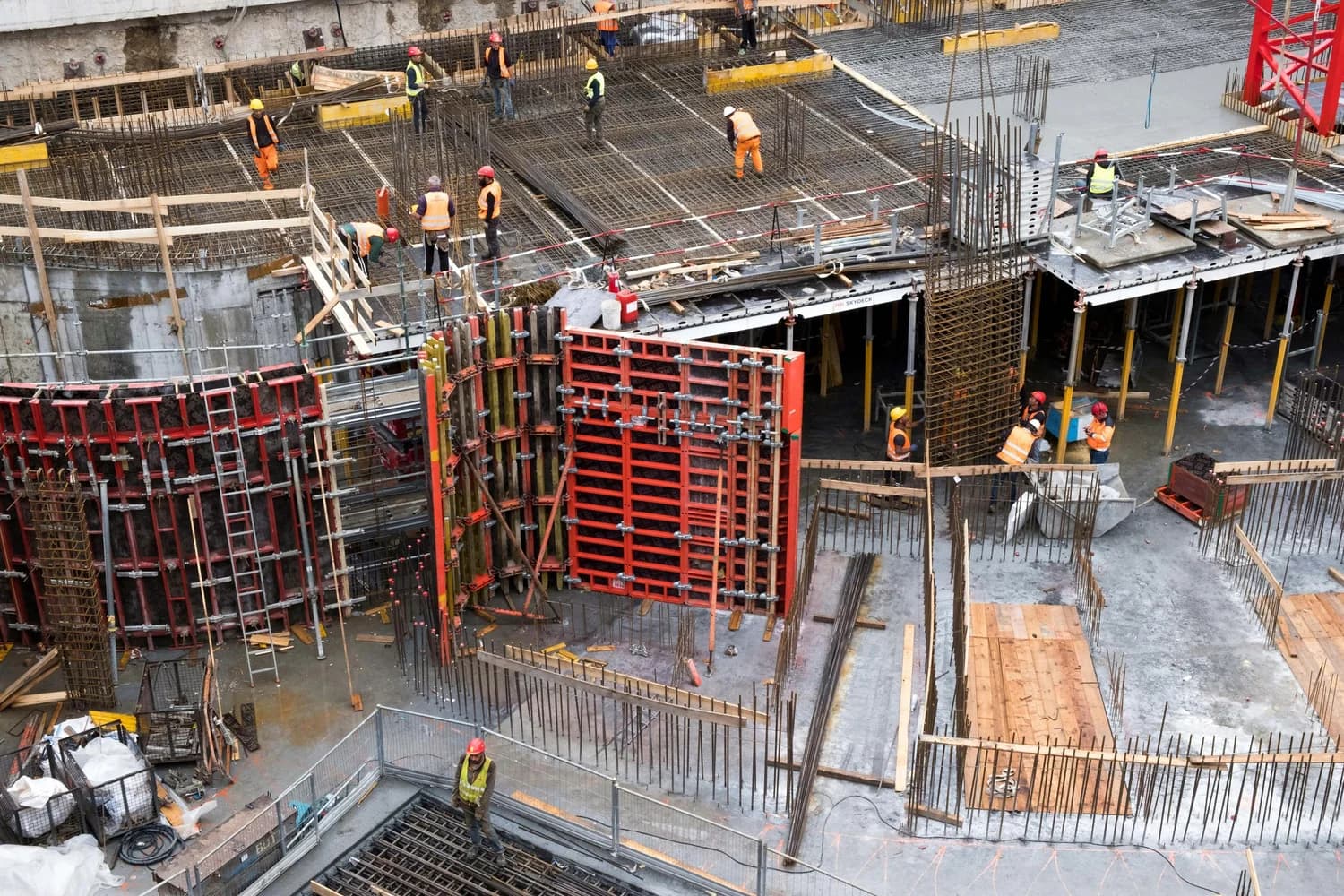
A 90-second video of a building rising from concrete slab to occupied lobby does two jobs at once: it shows investors their money is moving, and it shows buyers the project is real.
Construction time-lapse is documentation that doubles as marketing. Done right, it answers the question every stakeholder asks: "Is this actually happening?"
Why investors watch time-lapse footage
Investors don't visit sites every week. They live elsewhere. They need proof of progress without flying to the property.
A monthly or quarterly time-lapse clip shows:
- Structural milestones (foundation, frame, envelope closure)
- Schedule adherence (or delays, honestly)
- Weather and site conditions
- Scale and complexity
- Professional management
A still photo tells them nothing. A 60-second video tells them the project is on track, or surfaces problems early enough to address them. That matters more than marketing spin.
The buyer confidence effect
Pre-sales listings for residential and multi-family projects benefit from construction video. A buyer watching 6 months of visible progress is less likely to back out. Financing risk drops when the lender sees the same footage.
Time-lapse also compresses time. A buyer watching a 2-minute video sees what took 18 months. It's visceral. It feels real because it is.
Hotels and resort developments use the same approach. Destination investors want proof the amenities are going up. Video beats renderings because it proves the renderer was right.
Documentation that earns distribution
The strongest time-lapse footage is shot from a fixed angle on a consistent schedule. Monthly captures from the same drone position (GPS waypoint) create a clean, professional progression. No jitter. No gaps. Institutional-grade.
That material becomes:
- Investor deck content
- Quarterly updates to limited partners
- Marketing videos on listing sites
- Social media clips (monthly or milestone posts)
- Financing application support
- Team morale content (site crews watch it too)
One shoot schedule delivers five different uses.
The technical side
Consistent lighting and weather matter less than consistency. The same camera position on the same days (or same weekly time) builds a usable timeline. Drone captures scale better than ground level for large projects. Both work.
Flylisted shoots construction documentation across New England and South Florida developments. A fixed monthly schedule keeps costs predictable and gives you material you can rely on. The footage works whether the market is hot or cold.
Who pays for it
Developers sometimes split the cost between investor relations and marketing budgets. Some vendors absorb it as a service. Some projects charge it to the general contractor's PR line item.
The ROI math is simple: a month of financing delays costs more than a year of construction video. Investor confidence has a dollar value.
What to avoid
Hire someone who will show up on the same day and time each month, in the same weather, from the same spot. Freelancers who "grab drone footage when they're in the area" create unusable material. You need a contract and a schedule.
Don't overproduce it. Music, transitions, and graphics are fine for marketing videos. For investor updates, just play the footage. Movement and progress speak for themselves.
Start at groundbreaking, not after framing. The first 30 days of site prep and foundation work prove the project got funded and started on schedule.
Building the investor narrative
Time-lapse footage is narrative without words. It shows discipline, scale, and progress. It becomes part of your story to Limited Partners, CMBS pools, and future buyers.
A professional 2-minute clip with monthly updates costs less than one property inspection trip. It reaches more stakeholders and leaves a record.
Start capturing construction early and on a schedule you'll stick to. The best investment relations footage isn't glossy. It's consistent.