
Hospitality photography that fills calendars: the editorial bar
Hotel and resort bookings live or die on imagery. Here is the visual standard that separates properties with full calendars from ones running discount codes.
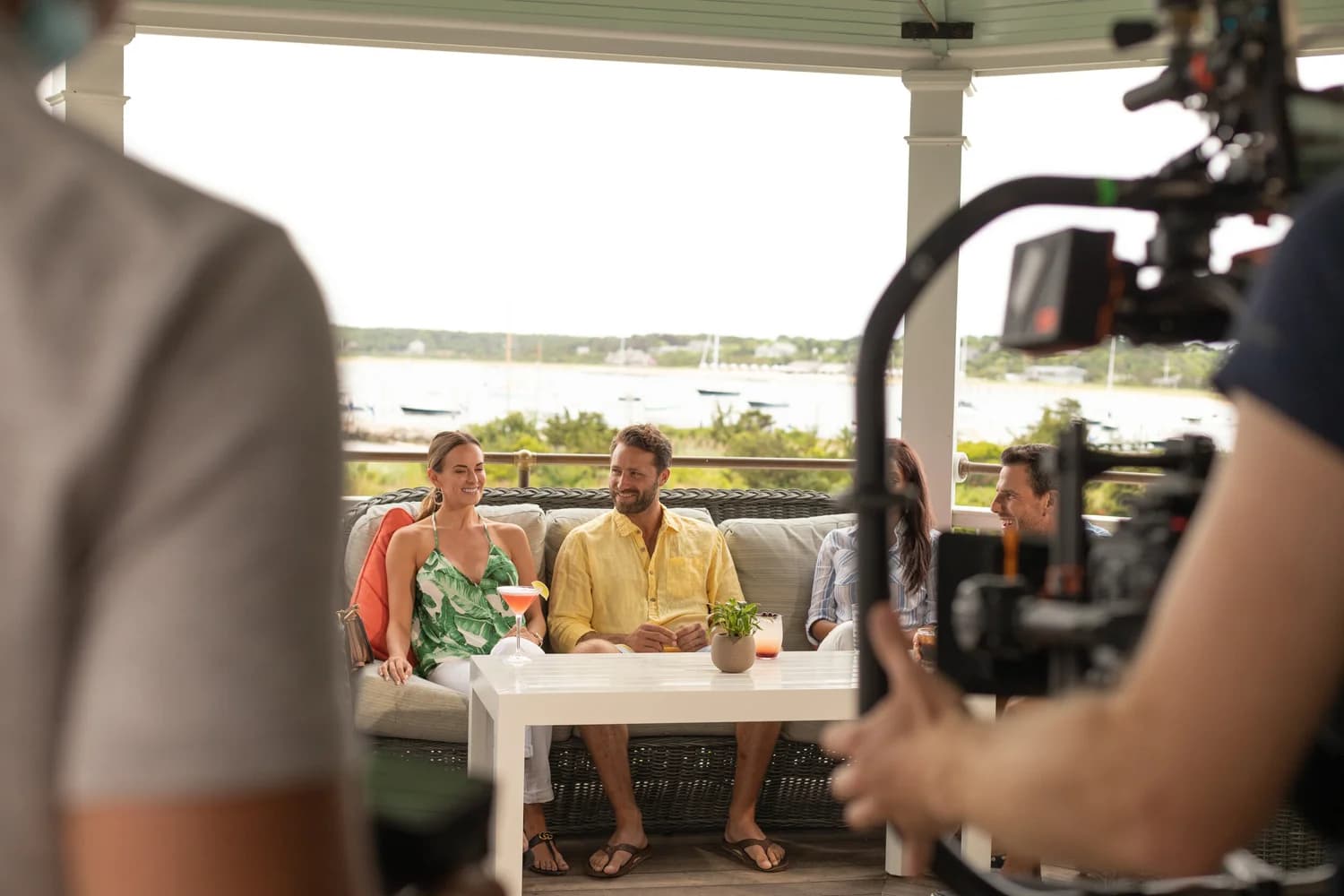
A guest decides whether to book your property in under ten seconds. That decision is almost entirely visual.
If your photography looks like it was shot by the same crew that does three-bedroom colonials on a Tuesday morning, you are leaving revenue on the table. Hospitality photography operates at a different standard. This is what that standard looks like in practice.
Why hospitality demands editorial thinking
Residential photography answers one question: does this space look clean and spacious? Hospitality photography answers a harder question: does this place make me feel something I want to pay for?
That shift, from documentation to desire, changes everything. Lighting, timing, styling, model use, and sequencing all have to work together. A sunrise shot of your pool deck communicates something a flat midday frame never will, no matter how good the edit is.
Publications like Condé Nast Traveler and Travel + Leisure set the visual reference point for travelers. Your OTA listings and direct booking site are competing in that same visual space, whether you intend to be or not. Guests are conditioned to expect editorial-quality imagery. When they do not see it, they move on.
The four things that separate average from bookable
1. Natural and supplemental light working together Window light is your friend, but it needs help. Bare flash looks like an insurance appraisal. Layered lighting, ambient balanced with subtle fill, preserves the atmosphere that justifies your rate.
2. Time-of-day discipline The golden hour is not a cliché. It is the reason guests can picture themselves there. Shooting a beachfront property at noon because it is convenient wastes the asset. The best hospitality work is scheduled around the property, not around the crew.
3. Styling that reads as lived-in, not staged Empty rooms feel like showrooms. Towels folded on a chaise, a half-read book on a nightstand, two glasses on the balcony rail. Small details signal that the space is actually enjoyable, not just photogenic.
4. A sequence that tells a story A single hero image is not a campaign. You need an arrival shot, an amenity sequence, intimate room details, food and beverage moments, and at least one frame that captures the surrounding landscape or neighborhood. Buyers of real estate scroll, and so do travelers.
Drone and video belong in the mix
For properties with meaningful outdoor amenities, site context, or a location story, ground-level stills are not enough. An FAA Part-107 drone pass showing your resort footprint relative to the beach or ski mountain communicates scale and setting in a way no interior shot can.
Short-form video, ten to thirty seconds cut for social, drives direct booking traffic at a cost per click that outperforms most paid search placements. A brand film for a boutique hotel or a resort collection can anchor an entire season of marketing across email, social, and OTA channels.
Flylisted produces drone, video, and brand film work across South Florida, the Caribbean, and New England. Properties with complex sites or multiple buildings get the most value from combining aerial and ground coverage in a single shoot day.
What the booking data actually shows
OTA platforms have published enough internal research at this point to make the argument plainly:
- Listings with professional photography receive significantly more clicks than those without
- Higher click-through rates lower your effective cost per booking across paid channels
- Properties with video content see longer session times on their direct booking pages
- Aerial imagery correlates with higher average daily rate achieved, particularly for resort and villa inventory
The math is straightforward. Better imagery raises conversion. Higher conversion means you fill the calendar at rate, not through discounting.
Setting the brief before the shoot date
The most common mistake hospitality operators make is treating photography as a commodity task rather than a production. You book a photographer, they show up, they shoot. That approach produces generic results.
A proper hospitality shoot has a brief. The brief covers: target guest persona, rate tier positioning, key amenities to feature, competitor visual benchmarks, and any seasonal or promotional angle the imagery needs to support. If you cannot answer those questions before the shoot, the deliverables will not answer them either.
Bring your marketing lead or agency into the pre-production conversation. Walk the property with the photographer before the shoot date. Identify hero angles, problem areas to work around, and any styling gaps to address. One hour of prep saves three hours of reshooting.
Flylisted has shot across more than 4,000 properties and produced imagery for over $5B in residential value. The hospitality work follows the same principle that runs through all of it: a well-prepared shoot produces deliverables that actually do the marketing job.
See Flylisted's hospitality photography services and request a quote at flylisted.com/hotels.