
Monthly construction documentation: what a recurring program looks like
A one-time site visit catches a moment. A monthly documentation program builds a defensible record. Here is what a structured recurring shoot actually involves.
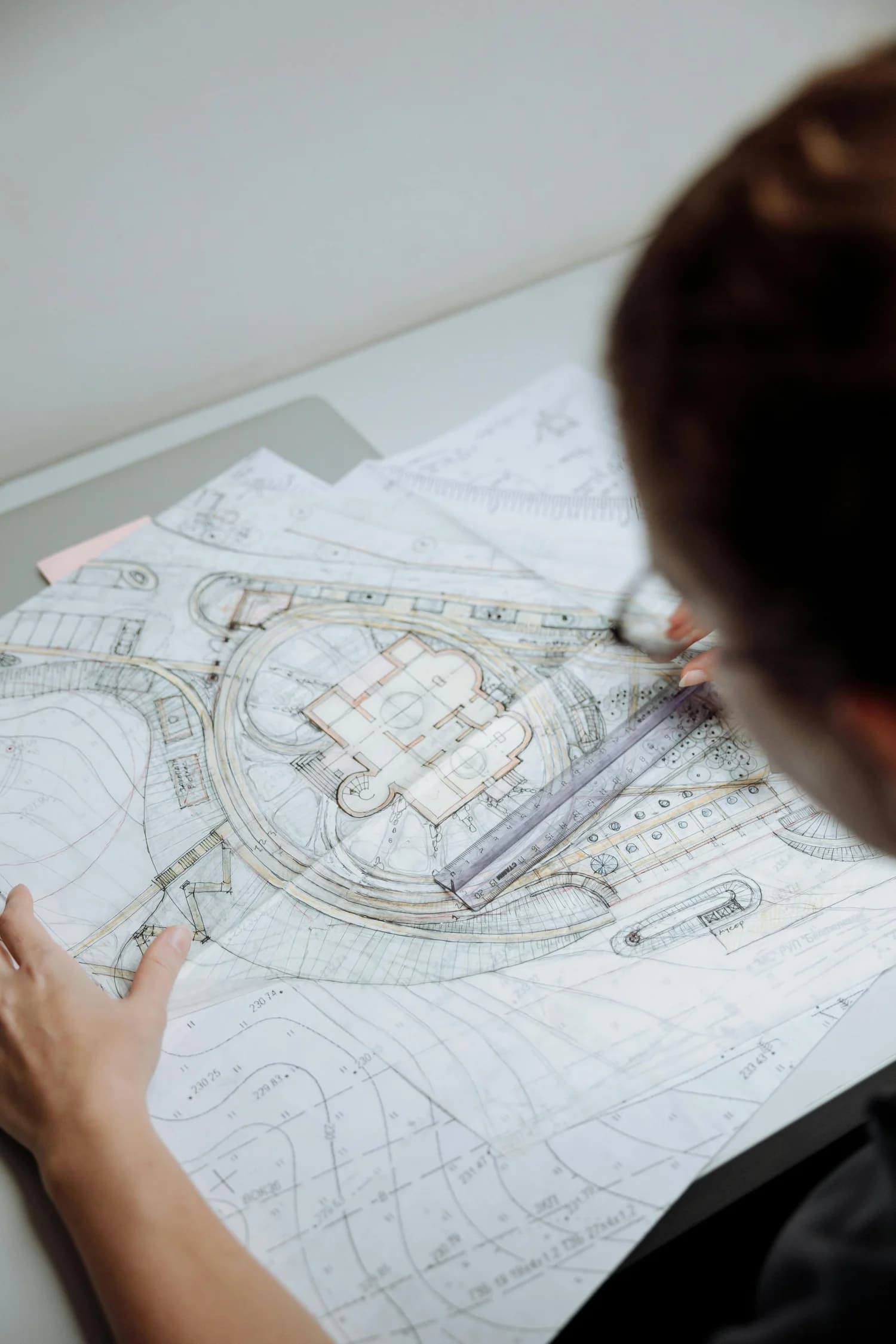
A one-time site visit catches a moment. A monthly documentation program builds a defensible record.
If you are managing a ground-up build, a major renovation, or a multi-family development, ad-hoc photography is not a strategy. It is a gap in your project record. Here is what a structured recurring program actually looks like and why developers, architects, and GCs keep renewing them.
What you are actually buying with recurring documentation
The obvious output is photographs. The real product is a timestamped, consistent visual archive that covers every meaningful phase of construction.
That archive does several jobs at once:
- Owner reporting. Investors and ownership groups want proof of progress tied to draw requests. Clean, dated photography makes that conversation shorter.
- Dispute protection. Work gets covered up fast. Once the drywall goes up, what was behind it lives only in your photos and your memory. Courts and arbitrators favor documentation.
- Marketing inventory. Ground-up multifamily and hotel projects need pre-opening content. A monthly shoot produces that content as a byproduct, not an afterthought.
- Contractor accountability. Knowing a camera shows up on the same schedule every month changes behavior on site.
None of those jobs are served by a single shoot at groundbreaking and another at ribbon-cutting.
What the cadence looks like in practice
Most projects we document run on a monthly schedule, shot on the same week of each month. Consistency matters more than frequency. A shoot on the 15th one month and the 28th the next produces an uneven record that is harder to present and harder to read.
A typical monthly visit includes:
- Exterior progress shots from fixed reference angles. Same lens, same positions, shoot after shoot. This is what makes time-lapse sequences possible at project close.
- Interior walkthroughs by floor or zone. Keyed to the construction schedule so the coverage follows the work, not a random path.
- Drone footage and stills when FAA airspace permits. Our team holds FAA Part 107 certification, so site drone work is handled in-house with proper authorization.
- Detail documentation as requested: MEP rough-ins, structural connections, envelope conditions, anything the project team flags before the visit.
The shoot brief comes from you or your project manager. We show up prepared. There is no on-site briefing tax eating into your time.
How deliverables are structured
Every monthly delivery is organized the same way: dated folder, consistent file naming, full-resolution originals, and web-ready exports. If your team uses a project management platform or a shared drive protocol, we match it.
For drone deliverables, you receive both stills and video clips. The video is edited and ready to drop into a progress report or an investor update without additional production work.
At project close, the full archive is compiled into a master delivery. That package has real value: it supports warranty claims, serves as a sales or leasing asset, and feeds any brand film or case study you produce after opening.
Where things go wrong without a program
The most common failure mode is starting late. A developer decides midway through framing that they should have been documenting from the start. The early foundation and site work is gone. The structural record has gaps. Playing catch-up is possible but you will never recover what was not shot.
The second failure mode is inconsistency. Different photographers, different angles, different times of day. The archive looks like it was assembled from five different projects. Reference comparisons become unreliable and time-lapse is off the table.
A recurring program with a single production partner eliminates both problems. Across 6,953 projects shot, the pattern is consistent: the teams that start documentation at mobilization and run it monthly end up with an asset. The teams that shoot opportunistically end up with a folder of JPEGs.
How to structure the engagement
Most recurring programs are set up as monthly agreements tied to the project schedule. The visit frequency, scope of each shoot, and deliverable format are agreed at the start. Pricing is fixed per visit so there are no surprises when a floor gets added or a phase runs long.
For large-scale commercial builds, hotel renovations, or multi-phase residential communities, we also integrate Matterport 3D walkthroughs at key milestones. A 3D model of a completed floor before it gets built out is a permanent, navigable record that no photograph fully replaces.
If you are in pre-construction or early mobilization on a project in New England, South Florida, the Caribbean, or California, now is the right time to set the program up.
Talk to Flylisted about a construction documentation program for your project.