
How visual documentation cuts construction change orders
Change orders bleed budgets and schedules. Structured photo and video documentation at every phase gives your team the evidence to prevent disputes before they start.
Change orders are expensive twice: once when you pay them, once when they stall the schedule. Most of them are avoidable.
The root cause is almost never malicious. It's missing visual evidence. A subcontractor misremembers a detail. An owner disputes what was approved. A scope gap surfaces after walls are closed. When nobody shot the work, every one of those conversations turns into a negotiation.
The documentation gap most teams ignore
Project managers track submittals, RFIs, and meeting minutes religiously. Visual records of the actual built conditions? Far less consistent. A few phone snapshots taken by whoever happened to be on site is not documentation. It's noise.
Structured documentation means scheduled, systematic, high-resolution capture tied to project milestones: foundation before backfill, MEP rough-ins before drywall, exterior envelope before cladding, finishes before certificate of occupancy. Each phase locked in with date metadata and GPS coordinates.
When a dispute surfaces six months into a project, that record is the difference between a five-minute resolution and a five-week argument.
What a structured documentation program actually looks like
A serious construction documentation workflow has three layers.
Photography. Phase-by-phase stills shot at consistent angles so conditions can be compared across visits. Not artistic. Forensic. Every mechanical penetration, every structural connection, every waterproofing detail.
Video walkthroughs. A slow, narrated walkthrough of each floor or zone at each milestone. Faster to scan than a folder of stills when you need to find a specific condition quickly.
Matterport 3D scanning. This is the one most teams underuse. A Matterport scan locks the exact spatial condition of a space at a point in time. You can measure inside the model. You can return to a scan taken before drywall and confirm what was behind the wall without a single destructive test. On projects with tight tolerances or complex MEP coordination, this alone pays for the documentation program.
At Flylisted, we run all three layers for developers, general contractors, and architects across New England, South Florida, California, and the Caribbean. We have shot more than 6,953 projects. We know what phase shots get pulled into disputes and what formats hold up under scrutiny.
Where change orders actually originate
Pull your last ten change orders and look at the trigger. The patterns are predictable:
- Hidden conditions discovered late. Documenting existing conditions before demolition begins eliminates "we didn't know" as a position.
- Scope creep from verbal approvals. A dated photo record of what was built before an owner-requested change makes the baseline undeniable.
- Subcontractor disputes over completed work. When the work is documented at completion of each trade's scope, pay-app disputes shrink.
- RFI responses that conflict with field conditions. A timestamped site photo tied to the RFI date resolves the conflict fast.
- Punchlist disagreements. A pre-punchlist walkthrough video creates a shared baseline that both owner and GC agree was accurate.
None of these require extraordinary effort. They require discipline and a professional shooter on a consistent schedule.
The cost argument is straightforward
Documentation is often cut as a line item because it looks like overhead with no direct return. That math is wrong.
A single avoided change order on a commercial project routinely runs $15,000 to $150,000 depending on scope. A full-project documentation program from Flylisted costs a fraction of that. On a 12-month build with monthly visits, you are buying insurance against disputes at every phase for a per-visit cost that any superintendent can justify to ownership.
The ROI case is not soft. It is arithmetic.
The argument gets stronger on multi-family and mixed-use projects where the owner, GC, architect, and multiple subcontractors all have independent interests. More parties means more surface area for disagreement. More surface area means documentation earns more.
Getting buy-in from ownership and the GC team
The objection you will hear is that documentation slows the project. It does not. A scheduled half-day visit from a professional crew does not pull your superintendent off the floor for meaningful time. What slows projects is a change order dispute that runs three weeks because nobody has the evidence to close it.
Frame documentation to ownership as risk reduction, not a production cost. Frame it to the GC as protection for their team's work. Both arguments are accurate. Neither is a hard sell once someone has lived through a dispute without the records.
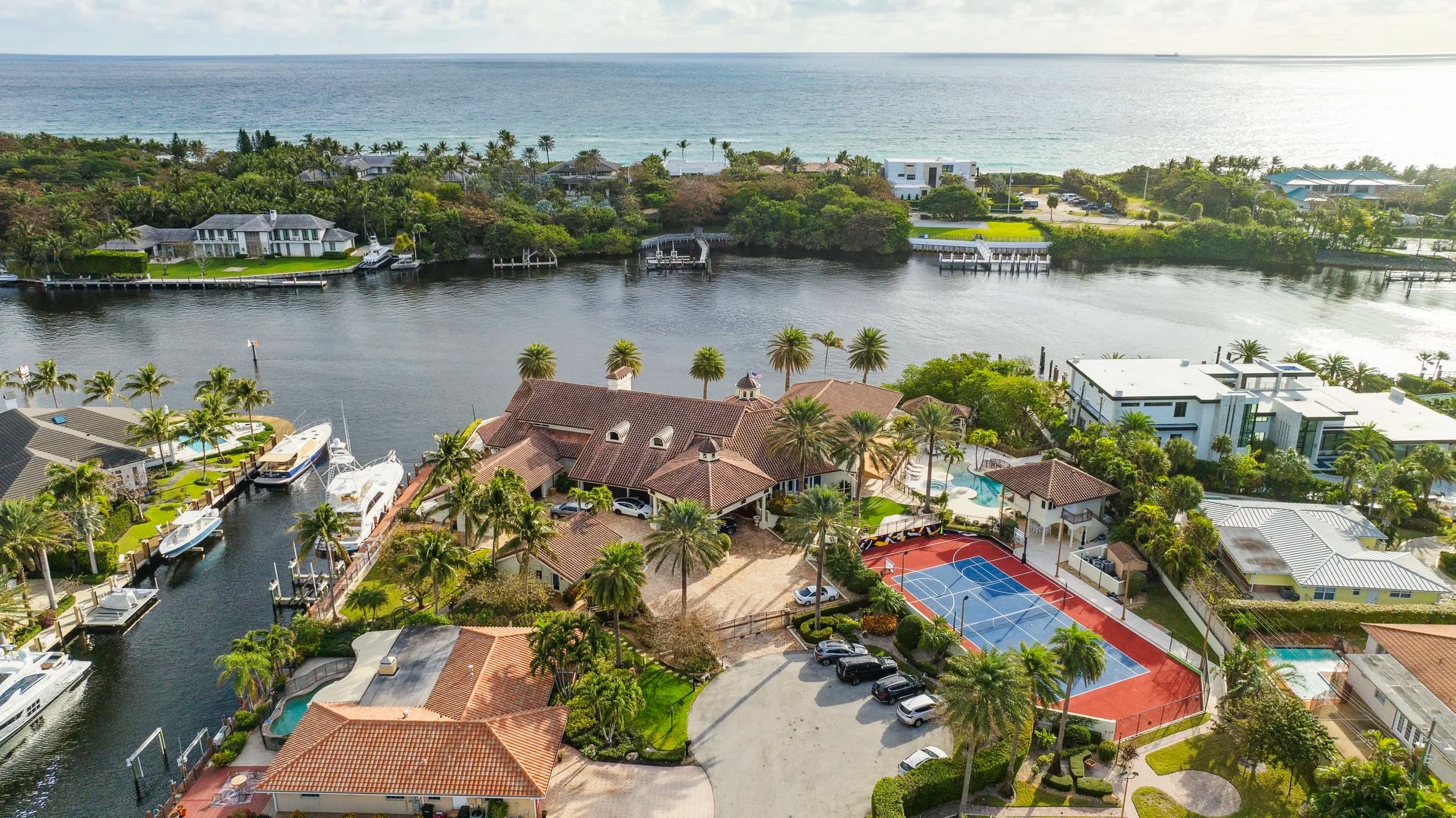
If you want FAA Part-107 drone coverage added for site aerials and progress overviews, that integrates cleanly into the same scheduled visit. One mobilization, multiple deliverables.
If your next project needs a documentation program built around your schedule and milestones, see how Flylisted structures construction documentation.