
Why phone photos hurt a listing's days-on-market
Smartphone shots cost sellers time and money. Here's the direct link between listing photo quality and how long a property sits on the market.
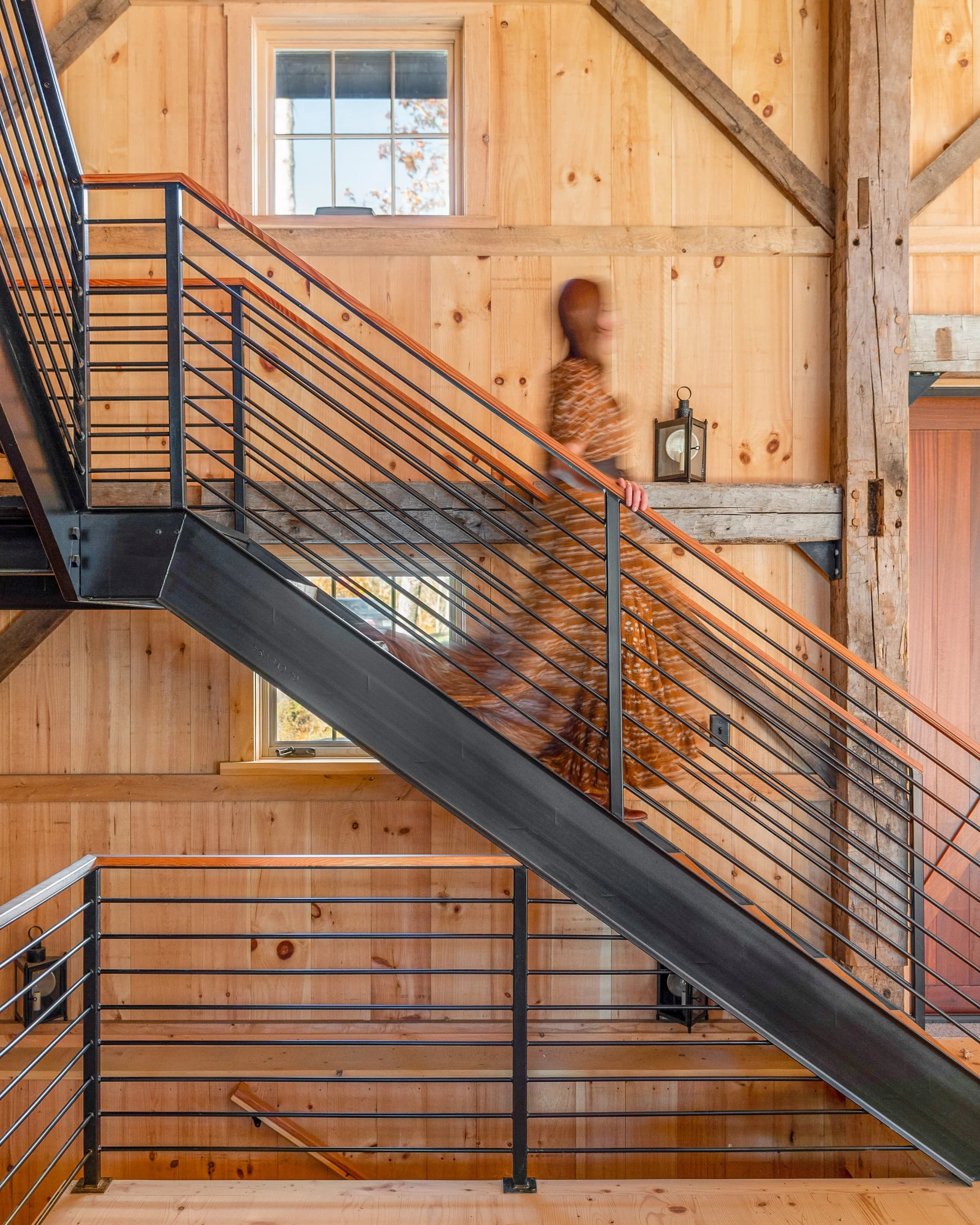
Buyers decide whether to schedule a showing in under three seconds. That decision happens on a screen, based almost entirely on the first photo.
What buyers actually see
Most agents know bad photos hurt. Fewer connect them directly to days-on-market (DOM). Here's what happens in practice: a listing with dark, distorted, or cluttered photos gets skipped in the portal scroll. Fewer clicks mean fewer showings. Fewer showings mean longer DOM. Longer DOM signals to the market that something is wrong with the property, even when nothing is.
That perception problem compounds fast. A listing that sits 30 days starts getting lowball offers. The photos didn't just fail to help. They actively created a discount.
The specific ways phone cameras fail on interiors
Modern smartphones take excellent photos outdoors in good light. Interiors are a different problem entirely.
- Dynamic range. A phone blows out windows or crushes shadow detail. A calibrated camera with HDR bracketing and professional editing handles both in the same frame.
- Lens distortion. Wide-angle phone lenses bend walls and warp countertops. Buyers notice even when they can't name it. The room looks cheap.
- Color accuracy. Mixed lighting (recessed LEDs, daylight, a warm lamp) defeats phone auto white balance. Walls go green or orange. Paint colors look nothing like they do in person.
- Perspective. A phone held at waist height shoots up at the ceiling or down at the floor. A camera on a proper tripod at the right height makes every room read correctly.
- Resolution and crop flexibility. Listing portals compress images. You need native resolution headroom to survive that compression and still look sharp at full-screen size.
None of this is about megapixels. It's about optics, technique, and post-processing. A phone doesn't solve any of these problems regardless of the model.
The DOM math is straightforward
Consider two identical condos listed the same week in the same building. One has professional photos: properly lit, wide-angle corrected, window-balanced, edited to 24-hour turnaround. The other has phone shots taken by the agent on the way out the door.
The professionally photographed unit pulls more clicks from the portal. More clicks become more showings. More showings compress the time to an accepted offer. The other unit sits. The seller gets anxious. The agent fields calls asking if there's something wrong with the unit.
Across the $5 billion-plus in residential value Flylisted has marketed, the pattern is consistent. Properties with professional media move faster. That's not a theory. It's what 6,953 projects shows.
What professional photography actually costs versus what it saves
Professional residential photography from a qualified studio is not a significant line item relative to a commission check. The math is obvious when you write it out.
If a property sits two extra weeks because the photos underperformed, that's two more mortgage payments for the seller, two more weeks of carrying costs, and a negotiating position that gets weaker by the day. The discount a buyer extracts from a stale listing is almost always larger than the cost of doing the photography right the first time.
Beyond the single transaction, there's the agent's own brand. Buyers and sellers look at your past listings before they call you. Phone photos in your portfolio suggest you don't take the marketing seriously. Professional photos suggest you do. That perception difference affects whether you get the next listing call.
What to look for in a real estate photography partner
Not all photography services are the same. A few things worth confirming before you book:
- FAA Part-107 certification for any aerial work. Uncertified drone operators are a liability.
- 24-hour turnaround on delivered photos. You have listing timelines. Your media partner should respect them.
- Matterport 3D capability if you're marketing to out-of-area buyers who can't tour in person.
- Consistent post-processing. The look should be clean, accurate, and repeatable across every room.
- Experience in your market. Lighting, architecture, and buyer expectations differ between a South Florida waterfront condo and a New England colonial.
Flylisted operates across New England, South Florida, the Caribbean, and California, with 4,000-plus properties marketed and a 5.0-star rating across Google and Facebook. Residential photo deliverables go out in 24 hours.
If your current listing photos aren't pulling the clicks your properties deserve, see what professional residential photography looks like at Flylisted.