
Twilight video for luxury homes: why ambient lighting matters
Twilight video captures the moment when natural light fades and architectural lighting takes over. For luxury homes, that shift is the story. Here's how to shoot it right.
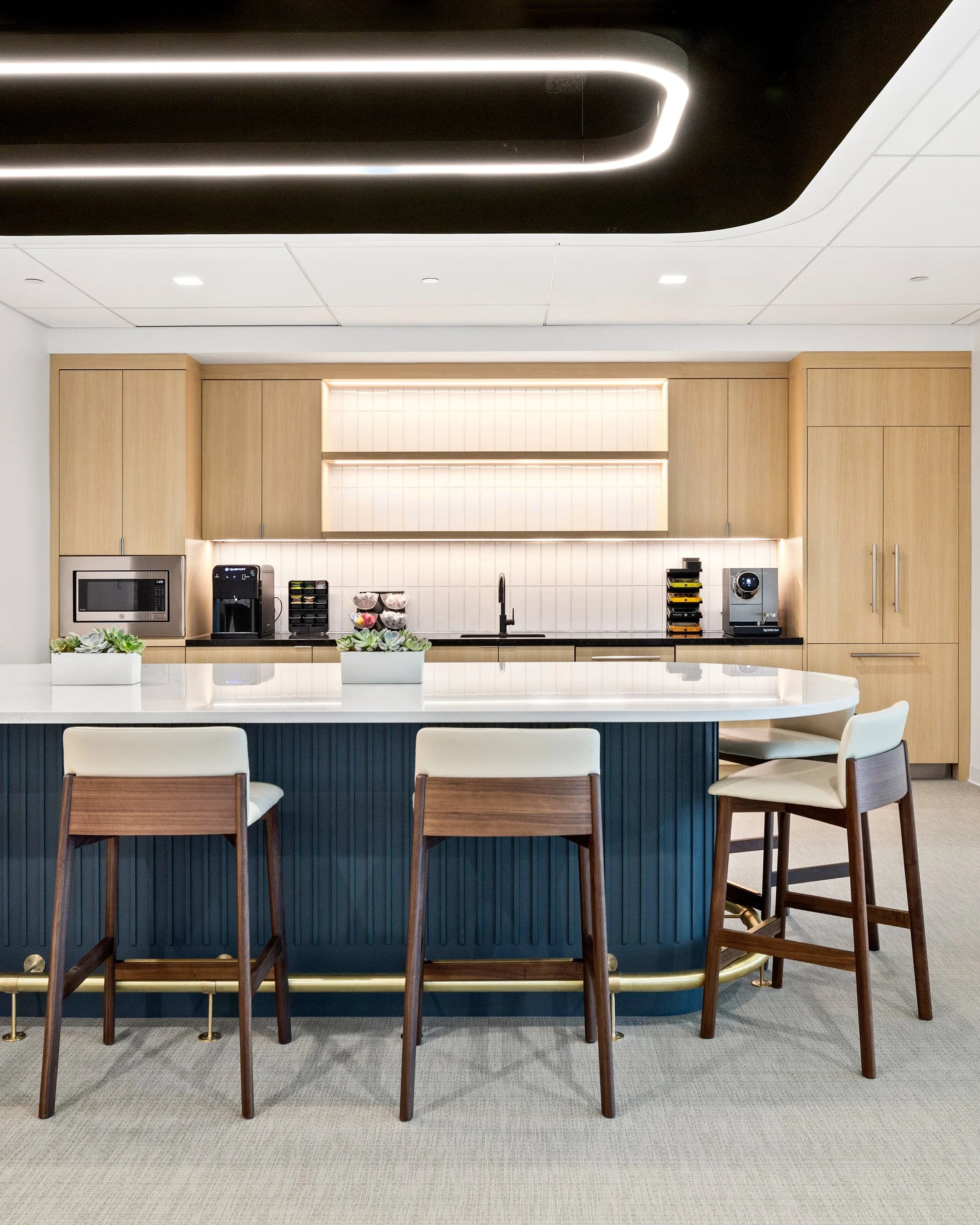
Twilight video is not a trend. It's a technical necessity for high-end residential marketing, and it's the single most valuable window in a 24-hour shoot day.
When the sun dips below the horizon and artificial lighting kicks in, a house stops being a building and becomes an experience. Interior lights glow. Exterior fixtures define the landscape. The sky holds color for 15 to 30 minutes. Miss that window, and the listing looks like every other dark property shot at 8 p.m.
For agents selling homes above $2M, twilight video often closes the deal before the buyer ever walks through the door.
The physics of twilight video
Twilight (what photographers call the blue hour) occurs twice daily, but the evening version is what matters for real estate. It starts when the sun touches the horizon and ends when the sky goes fully black. Duration depends on latitude and season. In South Florida, you might get 25 minutes. In New England, especially in winter, closer to 15.
During this window, three light sources exist simultaneously:
- Residual natural light in the sky (blue, cool, directional)
- Architectural lighting inside the home (warm, intimate, controllable)
- Landscape lighting (pools, pathway lights, uplighting on trees)
All three must be exposed correctly at the same time. Overexpose the sky and it goes white. Underexpose the interior and the viewer sees nothing. This is why twilight video requires planning, not improvisation.
Pre-production: the planning that matters
Show up unprepared during twilight and you'll shoot for 20 minutes with no coverage. Show up ready, and you'll capture 5 to 7 strong angles.
Before you arrive on property, know:
- Exact sunset time (check the weather app)
- Which lights are automated vs. manual (contact the listing agent)
- Drone flight time available (your battery drains faster in cool evening air)
- Camera positions for each angle (wide exterior establishing shots, aerial passes, interior living spaces with windows framing the sky)
- Whether the pool needs special lighting or the landscape should be lit differently
Arrive 30 minutes before blue hour starts. Test your exposure on a manual mode camera. For luxury homes, use a cinema camera (RED, FX9, or full-frame mirrorless in video mode). Expose for the sky at ISO 400 to 1600, f/2.8 to f/4, shutter speed 1/50th. The interior lights will fill the foreground. If they don't, radio the agent and have someone switch lights on inside.
Do not rely on auto-exposure. Twilight destroys automatic metering.
Interior lighting: control what you can
Most luxury homes have smart home systems or at least dimmer switches. Tell the agent in advance which rooms need to be lit. For twilight video, less is often more. You want pools of warm light, not every bulb blazing.
The ideal interior setup for twilight is:
- Accent lighting in living spaces on 60% to 70% brightness
- Dining room and kitchen visible but not blown out
- Bedrooms dark or very dim
- Entryway and foyer well-lit to draw the eye inward
- Exterior uplighting on architecture or landscaping (pool lighting is essential if the home has a pool)
Consider shooting slow pushes or dolly moves through rooms while lights transition. A 10-second shot of a kitchen island with warm light as the sky fades behind the window is more powerful than static wide shots.
Drone work during twilight
Drone footage during blue hour is a differentiator. The property is surrounded by color, the landscape is defined by light, and the home sits in context.
Limitations: Battery drain is real. Cold air decreases flight time by 20 to 30 percent. Plan 2 to 3 strong passes rather than 8 weak ones. Get an establishing shot, a rotation around the primary facade, and a pull-back from a key feature (pool, backyard, architectural detail).
Drone footage also needs proper exposure. Manual camera settings on most drones allow you to lock ISO, shutter speed, and aperture. Underexpose slightly if you're unsure. You can brighten in post more easily than recover blown-out sky.
Post-production color and mood
Twilight footage demands precise color grading. The sky should feel blue, not gray. Interior warm lights should not look orange. A slight desaturate of the blue in the sky while lifting the warmth of interior lights creates the "luxury" mood that sells listings.
Sound matters too. Music choice is critical. Avoid anything trendy. A subtle, underscore-style composition with piano or strings works. Skip licensed tracks with vocals.
Deliver the story
Twilight video works best as a 30 to 60 second standalone piece (not buried in a 3-minute property tour). Show the home at its most aspirational moment. Buyers imagine themselves hosting an evening event, watching the sunset from the master bedroom, or sitting poolside as the lights come on.
That's the moment twilight video captures.
Contact Flylisted for luxury home video production that includes twilight coverage, color grading, and turnaround in 5 to 7 business days.