
Virtual staging for vacant retail: a tenant attraction strategy
Vacant retail spaces lose tenants to imagination. Virtual staging shows the space as it could be, not as it is. Here's how it works for leasing.
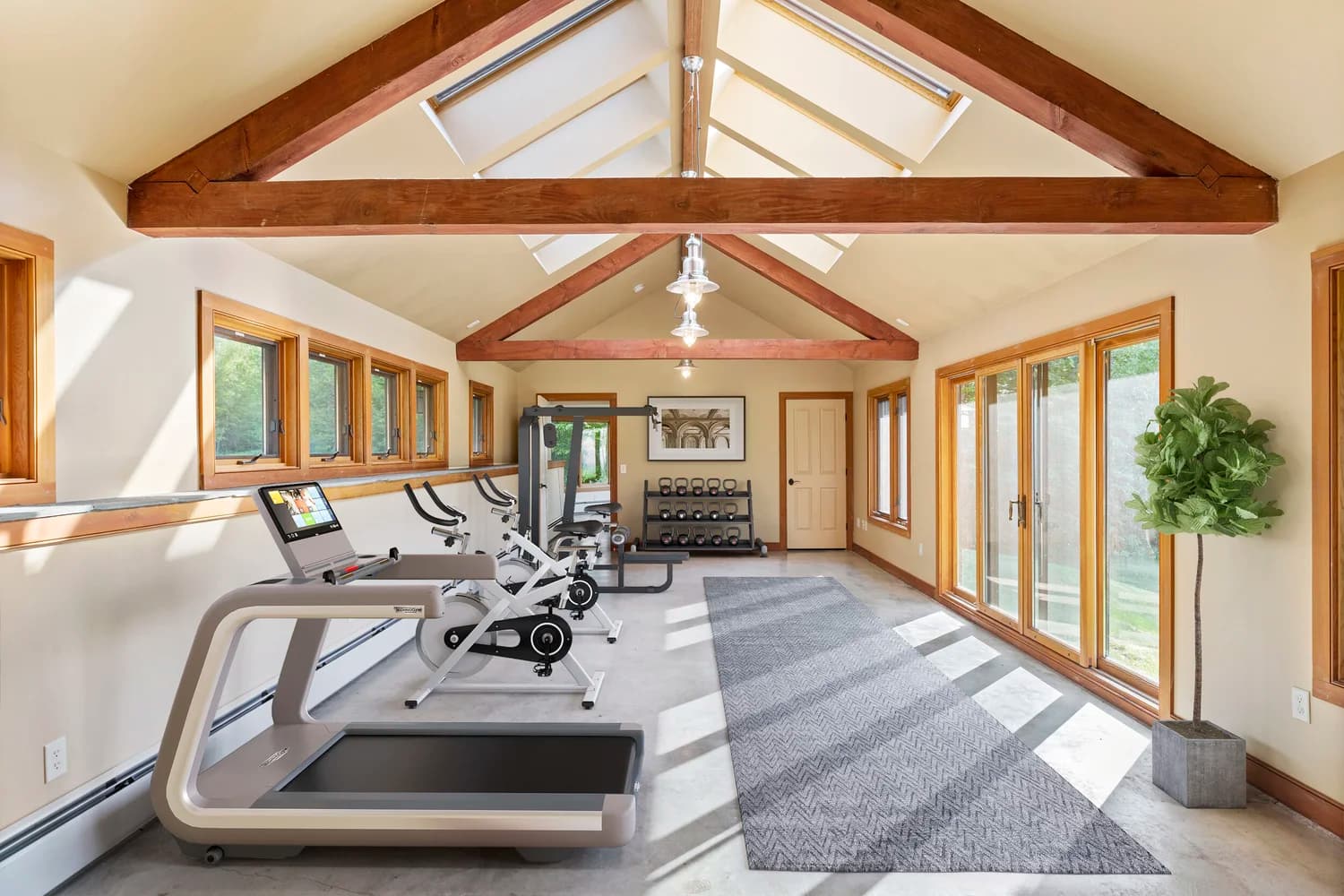
An empty storefront is a liability. The tenant can't see themselves there. They see bare walls, concrete, and a closed door. Virtual staging solves that problem by showing the space occupied, designed, and ready to operate.
Flylisted's virtual staging service uses photoreal renderings to place furniture, fixtures, lighting, and branding into your retail photos. The result is a leasing asset, not a lease burden.
Why vacant retail spaces leak tenants
Most commercial brokers list retail spaces as-is. The photos show the shell. The prospective tenant has to imagine the fit-out, the customer flow, the brand presentation. Many don't. They move to the next listing or negotiate a lower rate because they're buying risk and sweat equity.
Virtual staging removes that friction. It says, "Here is your space, configured for your business type." The tenant sees proof of concept, not potential.
What virtual staging can show
Retail staging typically includes:
- Flooring treatments and finishes
- Display fixtures, shelving, and merchandise racks
- Point-of-sale counters and service areas
- Lighting and ceiling treatment
- Entry signage and window displays
- Furniture and customer seating (for food and beverage)
- Brand environment (colors, materials, style)
You can run multiple versions of the same space. Show it as a coffee shop, then as a fitness studio, then as a bookstore. Each render is a separate sales tool for different tenant types.
How this attracts the right tenant
Virtual staging is a screening tool. A tenant who sees their concept rendered in your space is already mentally leasing it. They've visualized the work. They know what it costs to get there. When they contact you, they're serious.
This also allows you to price the space more strategically. Tenants pay more for a space they can envision occupied than for one that requires them to hire an architect just to understand the layout.
Brokers report faster leasing cycles when photos include the tenant's intended use. The visual cuts through the guesswork.
Timing and iteration
Virtual staging is fast. A single render of a retail space typically takes 24 hours. If you need to show three different concepts, you have three options in days, not weeks. That speed matters. Tenants window-shop. The faster you show them what they want to see, the more likely they compare your space favorably to competitors.
You can also stage a space before construction is complete. Show the finished product while the contractor is still on-site. Tenants lease on vision. The earlier they see it, the sooner they sign.
The documentation angle
Virtual staging also serves as a spec sheet. It becomes part of the leasing package, used in emails, broker networks, and property listings. The image is professional. It builds confidence in you as a broker or landlord who understands the tenant's business.
Hyperlocal advantage
Flylisted serves New England and South Florida. If your retail portfolio is in Boston, Providence, Miami, or anywhere between, virtual staging can be ordered, produced, and delivered fast. Geography no longer means slow turnaround.
Next steps
Start with your hardest-to-lease space. The one that's been empty longest or sits in a less obvious location. Stage it three ways. Use those renders in your next outreach. Measure whether tenant inquiries increase and leasing time drops.
For pricing and availability, check Flylisted's pricing page to get a quote for retail virtual staging in your market.