
Hospitality photography for boutique hotels: guest experience styling
How to photograph guest rooms, common areas, and amenities in ways that match the experience guests will actually have. Styling tips for boutique hotel marketing.
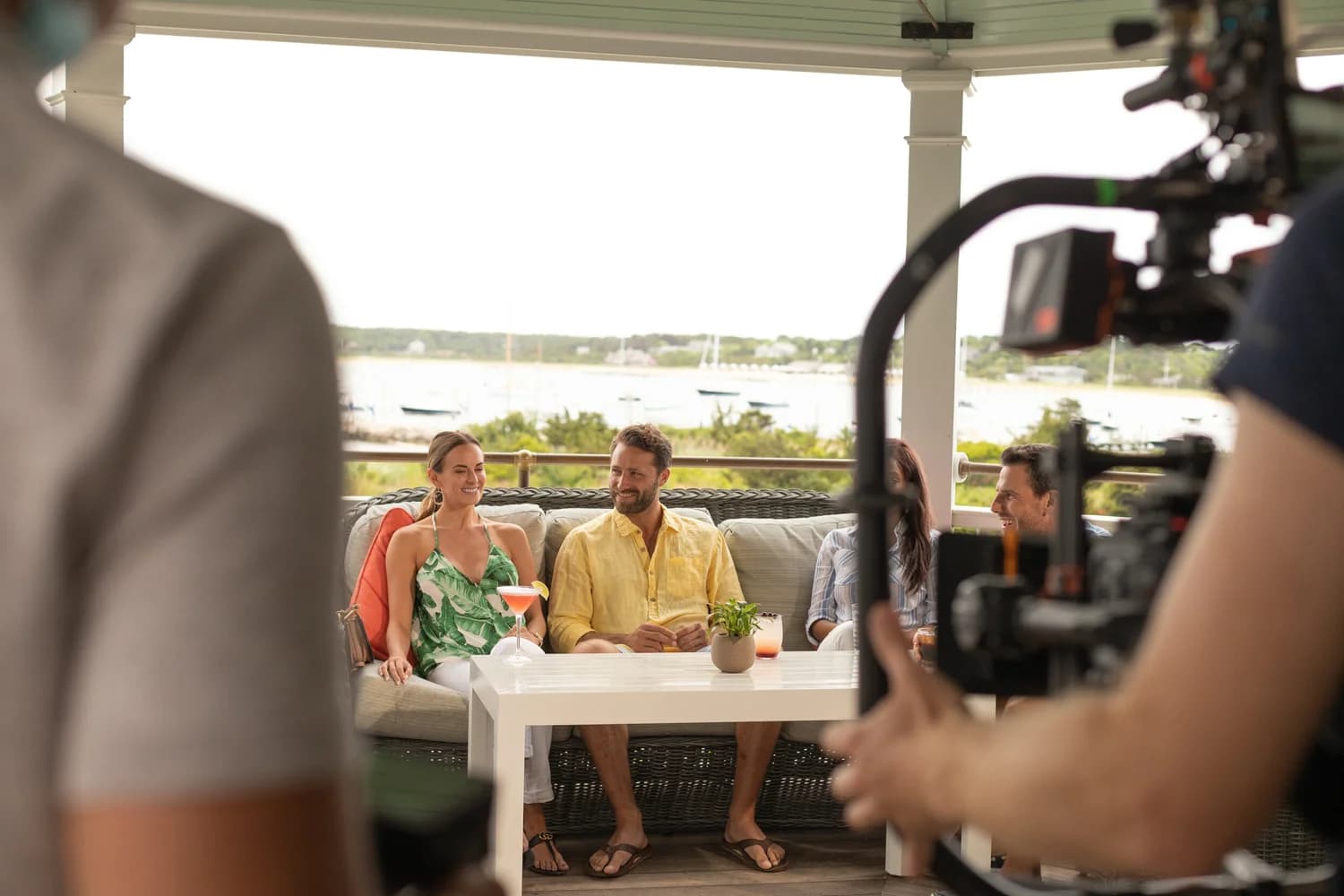
The difference between a generic hotel photo and a booking driver is the gap between what's in the frame and what a guest expects to feel when they arrive.
Boutique hotels live on specificity. A 200-room chain can afford sameness. You can't. Your selling point is the experience, the vibe, the exact reason someone chose your property over the Hilton down the road. Photography either proves that case or it doesn't.
The guest experience starts in the room
A bedroom photo isn't documentation. It's a contract. The guest is asking: "Will this bed feel as inviting as it looks? Is that light real, or have you blown out the windows?" Shoot for honesty first.
That means:
- Bed styling matters more than you think. Real pillows (not four identical oversized ones). A throw that looks lived-in, not museum-display. Fold the duvet down to the foot so the bed reads as "get into this now," not "don't touch this."
- Windows should show real daylight. If you're shooting on an overcast day, embrace it. Overcast light is flattering and realistic. If a room has no view, don't waste the shot trying to hide that. Show the interior quality instead.
- Bathrooms need steam, or the sense of one. A soft white towel on the edge of the tub. Toiletries arranged, not lined up like a pharmacy. Shoot with the exhaust fan on for 10 seconds before you frame the shot. Residual humidity reads as "people use this."
- Lighting should match the room's actual ambiance. If the boutique hotel's identity is moody and intimate, don't overexpose to industrial brightness. If it's bright and airy, don't underexpose to create drama that guests won't experience.
Common areas set the tone
Lobbies, bars, restaurants, and gathering spaces are where potential guests decide if they belong in your space. The photography needs to answer: "Is this place for me?"
Style accordingly:
- Include people in some shots. Actual guests (with permission), staff at work, or a bartender in frame. An empty bar at 5 p.m. reads as dead. A bartender making a drink reads as "this is happening."
- Show scale honestly. Wide angles are fine, but don't distort the space. A 24mm lens makes a small lobby look sprawling; that's a lie guests will notice when they check in.
- Layers matter. A coffee table with a current magazine, a side table with a plant, a guest with a drink in hand. Three elements minimum per frame. This isn't minimalist gallery work; it's a room people actually inhabit.
Amenity photography needs purpose
The pool, gym, spa, or rooftop deck is part of why someone books. But photos of empty facilities don't sell the feature. They sell emptiness.
Approach amenities as experience, not feature:
- A pool shot with water movement and light bouncing off it reads active. A perfectly still pool reads abandoned.
- Spa or wellness areas: show a guest in a treatment room if you can get permission, or at minimum show the massage table dressed and ready, not bare.
- Rooftop views: include a guest with a drink, or a table set with a meal. This is where the memory happens, not just where the sunset happens.
- Gym equipment should look like it's mid-use, not showroom-ready. A towel draped over equipment. A water bottle on the floor. A mirror with a light sheen.
Details make the story
Boutique hotels are built on details. Photography that shows those details wins bookings.
Look for:
- Unique fixtures, art, hardware, or textiles that differentiate your property from the chain across the street.
- The transition moments: the hallway to the room, the lobby to the bar, the entrance to the courtyard. These moments build the narrative.
- The staff in context. A concierge at the desk, a server delivering coffee, someone who makes the guest feel known.
- Signage, wayfinding, and design language that tell guests this space was thought through.
Authenticity over perfection
Boutique guests are sophisticated. They spot over-styling faster than they spot a typo. A perfectly vacuumed room with no human signs reads corporate, not curated.
Permit small imperfections that signal real life: a book on a nightstand, a slightly rumpled pillow, a guest's bag in a corner. These aren't flaws. They're proof.
Consistency across the set
Your boutique hotel's photo set should feel like one place, experienced one way. That means lighting direction should be similar across rooms. Color grading should match. If the lobby is warm (2800K), guest rooms should be warm too. Consistency makes the experience feel intentional.
A single inconsistent photo (one room shot cool, another warm; one lit to look luxe, another to look casual) breaks the story and makes guests question what they're actually getting.
The real measure
Shoot your boutique hotel with one question in mind: "Will a guest who books from this photo feel like they made the right choice when they walk in the door?"
If the answer is yes, the photo did its job.
Flylisted serves boutique hotels and resorts across New England and South Florida with hospitality-specific photography and video. Start with our pricing page to explore options for your property.