
Construction documentation for lenders: monthly compliance photo logs
Lenders require proof of progress. Monthly photo logs tied to draw schedules keep projects compliant and funding flowing without delays.
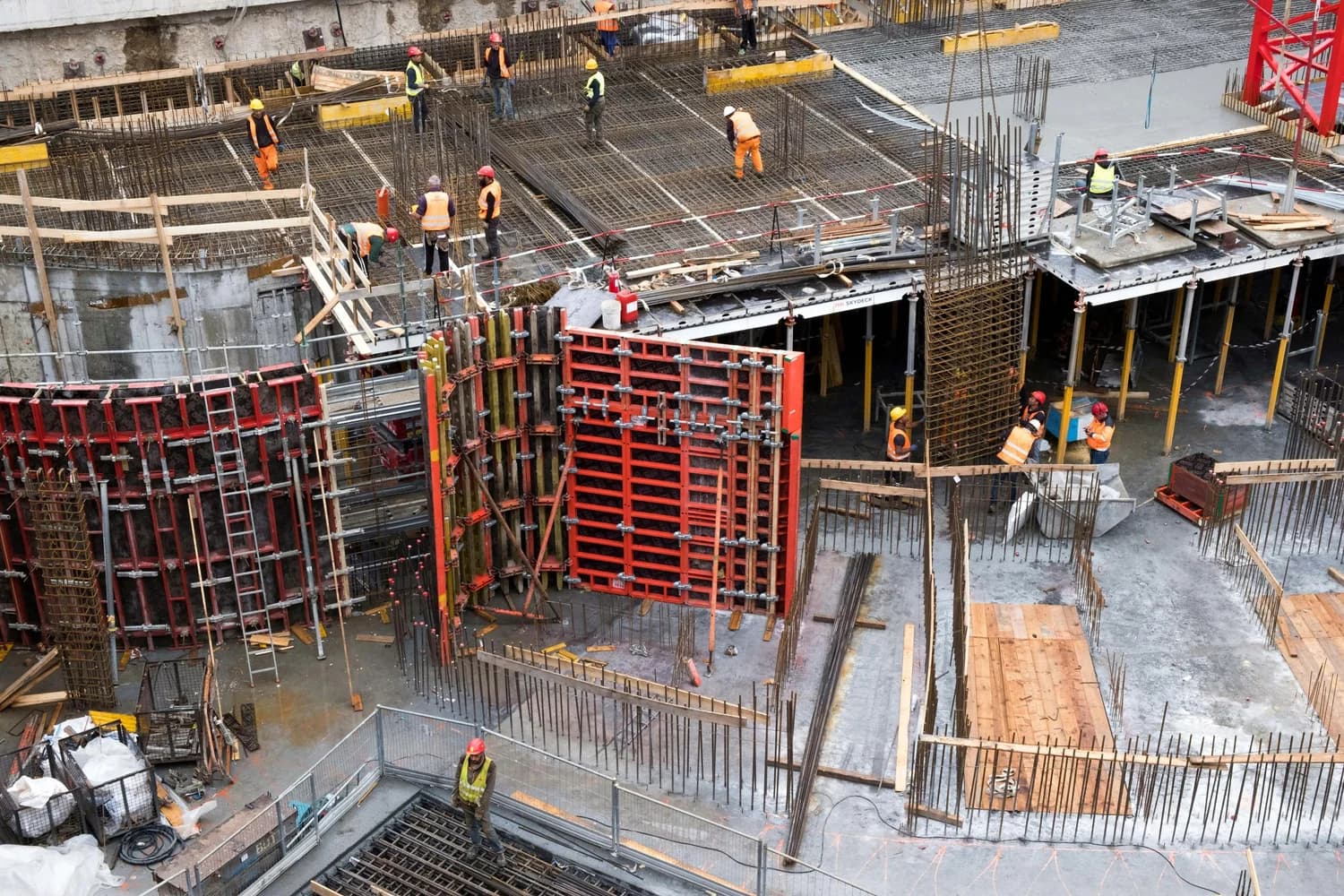
Lenders don't fund on promises. They fund on evidence. A construction project halts the moment a draw request stalls, and stalled draws happen because photo documentation is incomplete, inconsistent, or missing the angles and details lenders actually need to verify progress against the contract.
Monthly compliance photo logs aren't busywork. They're the artifact that keeps capital moving and protects your project from funding delays.
What lenders actually require
A lender's construction inspector reviews photo logs against the loan agreement, draw schedule, and scope of work. They're checking three things:
- Work is happening at the pace promised in the timeline.
- The work matches what was budgeted and approved.
- Completed phases are ready for the next phase of work (or loan disbursement).
The inspector isn't guessing. They're comparing this month's photos to last month's. If the framing was supposed to be 75% complete by month three and it's still 40%, the draw gets held pending explanation.
Photo logs need consistency in angle, distance, and timing. A phone photo taken from the front steps one month, then from inside the structure the next month, creates confusion. Lenders want to see the same vantage point month to month so progress is clear.
The compliance photo log structure
A solid monthly log includes:
- Wide exterior shots showing overall progress from the same position each month
- Detail shots of completed systems (framing, electrical rough-in, plumbing, HVAC)
- Progress on materials onsite (lumber, windows, fixtures staged and ready)
- Dated, labeled images linked to the draw schedule line items
- Timestamps (metadata and visible date stamps reduce disputes)
- A cover sheet or summary tying photos to budget line items
Each photo should answer one question: Does this line item match the contract and the payment request? If a $40,000 electrical rough-in is being requested, the lender sees photos of all rough electrical work completed in that scope.
Why consistency matters
A lender's job is risk management. Inconsistent documentation creates risk perception, even if the work is sound. If one month shows a wide shot from the northeast corner and the next month shows a shot from inside the first floor, the inspector can't build confidence in the timeline.
Shooting from the same angles, at the same time of day, with the same lighting conditions, takes planning. It also takes knowing what angles matter to the lender. A wide perimeter shot matters more than a close-up of materials. Roof progress matters. Foundation and framing stages matter. Interior finish photos matter when the project is in interior phases.
A photographer experienced in construction documentation knows which shots carry weight with lenders. They also know that a monthly report with 40 well-chosen photos beats 200 random images.
Timing and the draw cycle
Draw requests have windows. A contractor typically submits a draw request 5-7 days before a scheduled inspection. The lender's inspector needs photos no later than 2-3 days before the draw inspection, which means your photo log needs to be complete within the first week of the month.
Wait until day 20 to schedule photos, and you risk missing the draw window entirely. That delays funding by 30 days, which delays labor and material orders, which delays the next phase.
Consistent monthly scheduling (first Tuesday of each month, for example) keeps inspectors in rhythm and keeps requests predictable.
Common documentation failures
Lenders reject or delay draws when:
- Photos don't show work matching the dollar amount requested
- Lien waivers don't match the photo timeline (subcontractor paid but work doesn't appear finished in photos)
- Progress doesn't match the schedule (month four shows less work than month two)
- Photos are missing for critical milestones (foundation sign-off, framing completion, roof closure)
- Exterior and interior photos are undated or lack clear timestamps
- Draw requests omit completed line items that photos prove are done
Each of these stops a draw. Each draw delay costs the contractor money in interest, extended schedules, and labor friction.
Getting it right from month one
Establish the photo protocol before construction starts. Agree on which angles, which times of day, and which milestones get documented. Share the protocol with your lender's construction inspector. Use the same photographer each month so style, angles, and quality stay consistent.
A photographer who has shot construction compliance logs knows the lender workflow. They shoot for the inspector, not for marketing. Angles serve evidence, not aesthetics.
Flylisted handles monthly construction documentation for residential, multi-family, and commercial projects across New England and South Florida. We shoot on schedule, use consistent angles, and deliver monthly reports tied to your draw schedule and lender requirements.