
Design firm photography: portfolio-ready architectural shoots
Portfolio shoots require a different strategy than listing photos. Here's what separates work that lands clients from work that fills a folder.
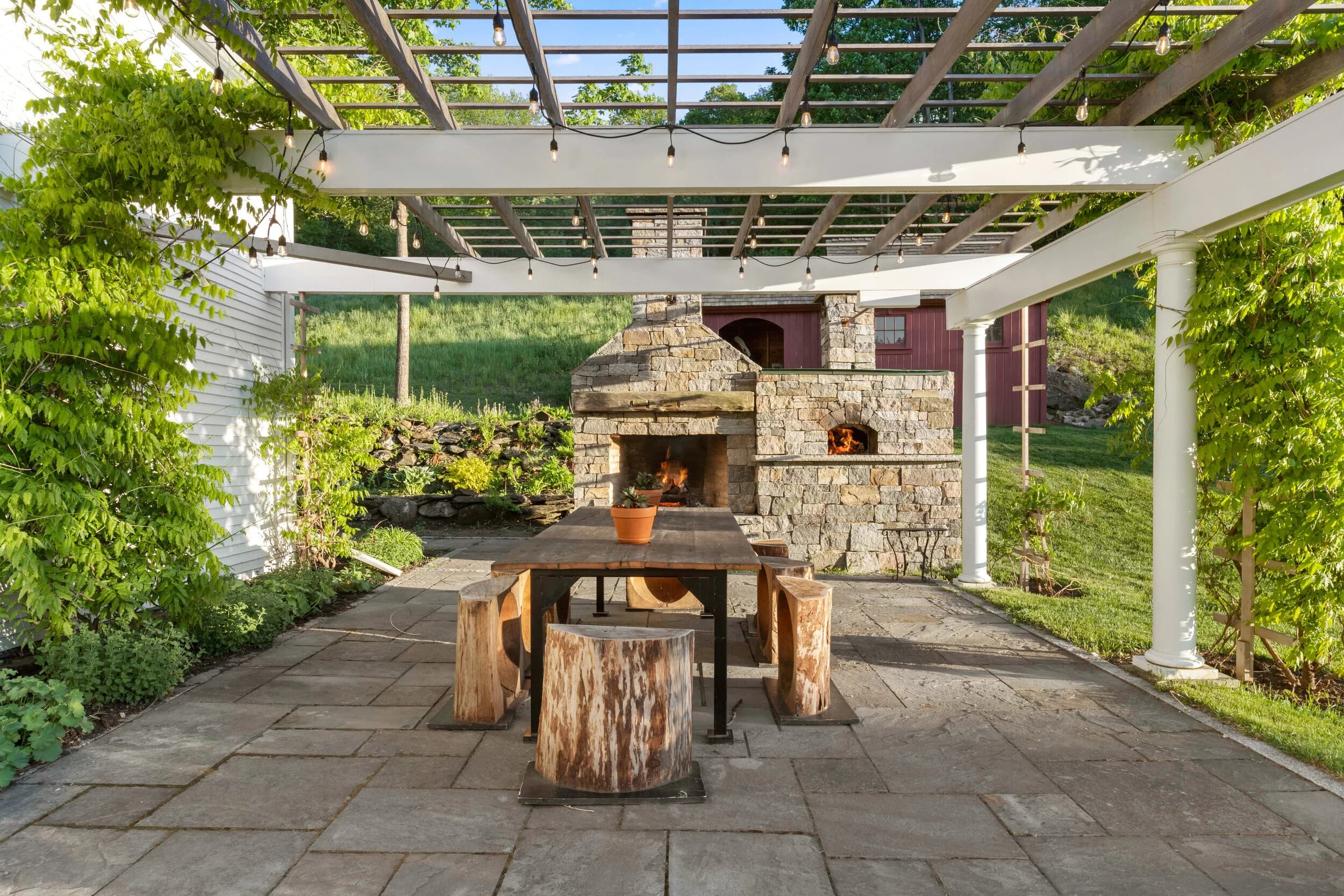
Portfolio shoots require a different strategy than listing photos. Here's what separates work that lands clients from work that fills a folder.
Why architectural photography isn't residential photography
Design firms and architects need images that tell a story about process, material quality, and design intent. A residential listing photo sells the property. A portfolio image sells the firm.
Residential agents want clean light, staged rooms, and emotional appeal. Design firms want precision lighting that reveals form, material texture under specific conditions, and angles that justify the design decisions made. The difference is substantial.
The stakes are also different. A mediocre listing photo costs a sale. A mediocre portfolio image costs a client pitch.
What portfolio-ready means in practice
Portfolio-ready architectural work has three non-negotiable elements: consistent color accuracy, intentional lighting that reveals intent, and composition that frames the design narrative.
Color accuracy matters because clients will compare your shoot to your rendering or sketch. If the concrete doesn't match what you designed, the image fails. This requires either shooting in optimal light conditions or post-processing that respects the designer's intent without overselling.
Lighting is about revealing what matters. A facade designed to play with shadow needs to be shot when that shadow play happens. A material selection needs light that exposes its texture and finish. This is not accident; it's scheduled.
Composition means understanding what the design is saying and framing it to say the same thing. A sweeping exterior angle. A detail shot that isolates a connection. A context shot showing how the building sits in its landscape. Each serves a purpose in the portfolio narrative.
Timing and coordination matter more than in residential
You can shoot residential work on a 24-hour notice. Architectural work requires planning.
Optimal light conditions depend on time of day, season, and weather. A south-facing facade may only reveal its intended appearance in winter light at 2 PM. A plaza design might need morning sun to show movement and shadow patterns. You're not shooting when the client is available; you're shooting when the design photographs correctly.
Coordination with the design firm is essential. They know what the design is trying to achieve and when conditions will be right. They also know what details matter and what angles tell the story. A 15-minute pre-shoot conversation with the architect prevents wasted shots and reshoots.
Weather prep is non-negotiable. A building looks different in overcast light versus clear sky. Rain on paving changes reflectivity and surface perception. Some designs photograph better in one condition; others in another. Plan for backup conditions.
Drone and detail work elevate the narrative
Drone photography is standard now for architectural portfolios. It shows context, scale, and site relationship in ways ground-level work cannot. A building that looks isolated at street level reveals its relationship to the neighborhood from 150 feet up.
Detail shots are equally important. The connection between materials, the finish on a surface, the craftsmanship of a joint. These close-ups prove that the design was thoughtful at every scale. They also give the portfolio multiple image options to mix with wider shots.
Post-processing is part of the craft
Architectural photography requires more controlled post-processing than residential work. Not because it needs to be "enhanced," but because it needs to be truthful to the design intent.
Exposure balancing across bright exterior and dark interior elements should be invisible but precise. Color grading should match the material finishes without oversaturation. Straightening and perspective correction must be accurate without distorting the design's geometry.
This is not subjective. The architect knows what they built. The image should confirm it, not interpret it.
The portfolio payoff
Design firms that invest in professional architectural photography win pitches. Developers and clients can see the quality of work and the precision of execution. It signals that the firm cares about outcomes, not just deliverables.
Flylisted has shot 6,953 projects across residential, commercial, and hospitality work. Architectural portfolios require the same rigor as construction documentation, with the added complexity of design storytelling. If your firm's current portfolio work doesn't stand up next to your recent projects, the gap is worth closing.
Proper architectural photography is not cheap. It's an investment. The return is visible in every client pitch that leads with strong work.
See what Flylisted brings to architectural and design photography