
Drone video and search rankings: what the data actually shows
Drone footage doesn't automatically boost SEO. Here's what moves the needle for listing visibility and clicks.
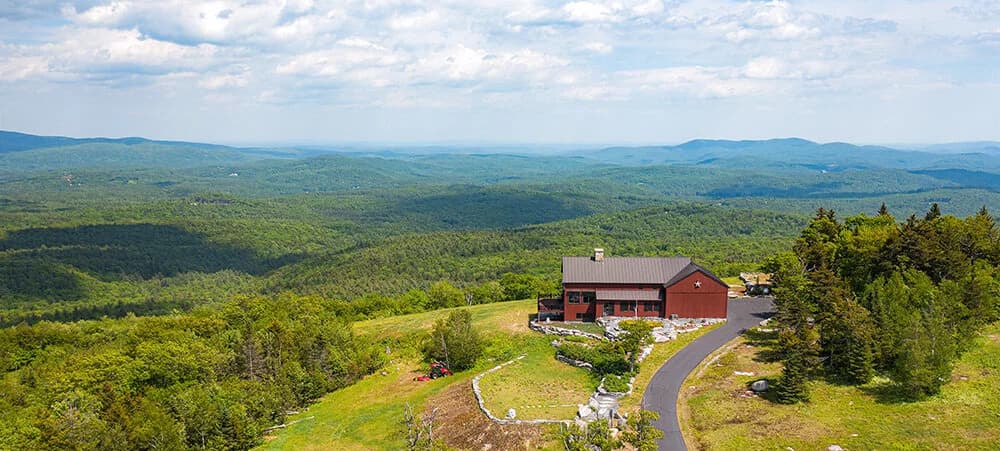
Drone video is popular. Agents ask if it ranks better in search. The honest answer: drone footage itself doesn't rank anything.
Search engines rank web pages, not photo or video formats. What matters is the page that holds the drone video, and whether that page is technically sound, keyword-relevant, and linked to from authority domains.
But there's a real business reason to use drone video anyway. It changes how people interact with your listing. That part is worth understanding.
Search ranking is about the page, not the media
Google's algorithm looks at page structure, content quality, load speed, mobile usability, and backlinks. It does not give ranking points because a page contains a video instead of a still photo.
Some agents think video "stickiness" signals quality to search engines. That's not accurate. Google doesn't reward you for time-on-page as a ranking factor. Search Console data shows clicks and impressions, not engagement depth.
If your listing page is slow because video files are unoptimized, ranking gets worse, not better.
Click-through rate is where drone video works
This is the part agents should focus on.
When a listing appears in search results or on a portal, a thumbnail or preview determines whether someone clicks. A distinctive aerial angle stands out in a scroll. A still photo of a front yard looks like 100 other front yards. A drone shot showing roof condition, property boundaries, and surrounding context reads as different.
Higher click-through rate from search results to your landing page matters for traffic. More traffic creates more leads. That's the measurable win.
On broker sites and MLS aggregators, listings with video thumbnails and media diversity often see higher engagement. This is user behavior, not algorithm reward.
Production quality changes the outcome
A shaky, over-colored drone video with poor audio or compression artifacts reads as low-effort. It depresses engagement. A clean 4K drone flight with stable gimbal work and proper color grading stands out.
Flylisted's residential drone work includes FAA Part-107 certified pilots and color-corrected deliverables. The goal is video that doesn't distract from the property. Standard turnaround is 24 hours.
Cheap drone footage is often worse than no drone footage. Buyers notice.
Where drone video actually moves business
Drone video shows what ground-level photos cannot. Roof condition, deck size relative to the yard, property lot coverage, proximity to roads or water, neighboring views. These details are questions buyers ask. A 90-second aerial tour answers several at once.
That efficiency speeds buyer qualification. Serious buyers self-select. Looky-loos filter out. Your phone time goes to leads with real intent.
For land, acreage, multi-unit properties, and properties with complex layouts or views, drone video is practical. For a 1200-square-foot colonial on a 0.25-acre lot in a dense neighborhood, it may not move the needle.
Context matters. The property should justify the format.
The real SEO play is consistency, not format
Ranking and traffic come from a systematic listing approach. Unique property description. Keyword-rich title tags. Fast-loading page. Mobile-responsive design. Photo/video organized by room. Open house dates and listing URL in social posts with links back to the listing page.
Drone video is one tool in that stack. It's not a ranking hack.
Some agents treat it like a magic box. It isn't. It's a medium that works because it's visually different and informative. Buyers notice the difference. That drives clicks and leads.
If you're considering drone video, ask whether it adds information your photos don't. If the answer is yes, shoot it. If the answer is no, save the budget.
For residential properties in New England and South Florida, explore Flylisted's drone and photography services to see what makes sense for your next listing.