
Luxury estate marketing in New England starts with photography
High-end New England estates need photography that matches their caliber. Here's what separates professional estate marketing from standard residential work.
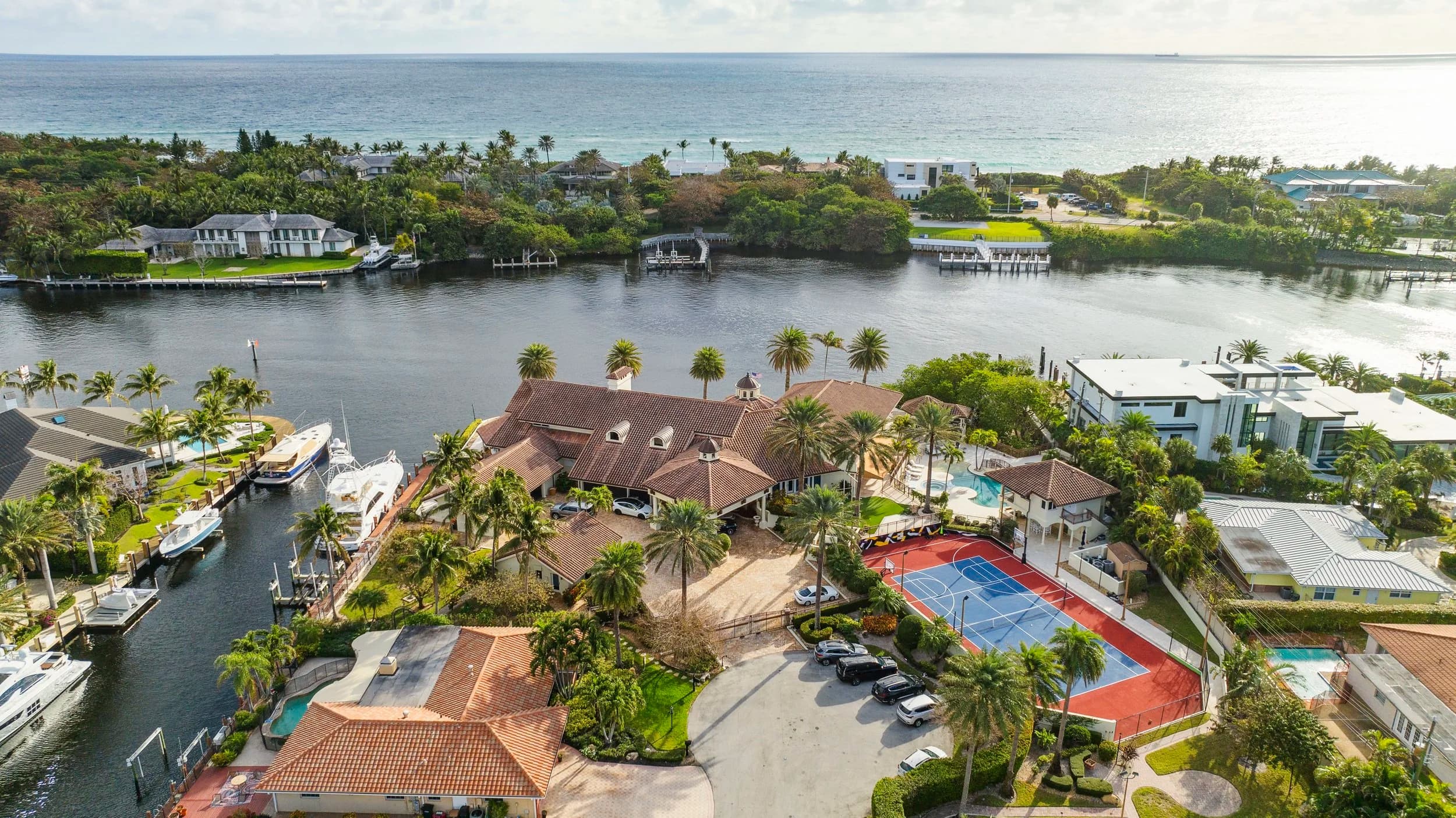
A $5M estate in the Berkshires or a historic property in Newport doesn't sell itself. But it also doesn't sell on smartphone snapshots or mediocre lighting. Luxury real estate buyers expect production quality that reflects the property's investment grade. That starts with photography.
Flylisted has marketed over $5B in residential value across New England. Luxury estates represent a distinct challenge: larger footprints, complex architectural detail, grounds that matter as much as the house, and buyer expectations calibrated to portfolio-level imagery.
The stakes are higher at the luxury tier
A standard residential photo shoot captures rooms. Luxury estate photography captures a lifestyle and justifies a price tag. The difference isn't just equipment. It's understanding how light moves through a 10,000-square-foot manor across seasons. It's knowing which angles showcase the relationship between the house and the land. It's delivering 80-120 images in a 24-hour turnaround, not a week.
Buyers at this level have seen thousands of photos. They can spot rushed work, poor color grading, and awkward cropping instantly. They also know that a single weak image tanks the entire presentation online.
What luxury estate photography requires
Three core elements separate professional estate coverage from standard residential:
- Exterior coverage in optimal light. Golden hour doesn't happen twice. You shoot it once, and it has to be perfect. Landscape, driveway approach, pool, guest house, grounds context, and the relationship between the property and its setting all need multiple angles.
- Interior architectural clarity. High-end finishes demand precise exposure, color accuracy, and composition. A marble fireplace or custom millwork needs to look expensive. Poor lighting makes it look ordinary.
- Drone and aerial context. For estates on 5+ acres, or properties with water frontage, drone photography isn't optional. Buyers need to understand the scale and exclusivity of the site. A 2-acre property looks different from 20 acres when you can see it from above.
Why 24-hour turnaround matters for luxury
Luxury estates move fast. The best marketing gets live within hours of the listing date. Agents know their window. A 5-day turnaround means competitors' photos are already front and center. With Flylisted's 24-hour residential delivery, your estate marketing launches when it has the most velocity.
Virtual staging and 3D renderings
For vacant luxury estates, virtual staging addresses the biggest objection: buyers can't envision the space. High-end buyers also respond to renderings that show before-and-after renovation potential or landscape concepts. These services work together with photography to tell a complete story.
A 7,000-square-foot vacant colonial reads empty in photos alone. Add professional furnishings through virtual staging, and that same image becomes a lifestyle. Add a 3D rendering of landscaping improvements, and you're showing future value.
The investment in professional coverage
Luxury estate photography costs more than standard residential work because it requires more skill, longer shoots, and higher standards for retouching. This isn't a weakness of the market. It's a reflection of what sells $3M and above. Agents who cut corners here are leaving margin on the table.
The math is simple: a single 10% difference in final sale price ($300K on a $3M property) pays for premium photography 100 times over.
Distribution and momentum
Photography is the starting point, not the finish line. Those 100+ images need to move through MLS, Instagram, your website, print brochures, and email campaigns. Flylisted handles the shoot; you own the distribution. But the quality of that source material determines how the property reads across every platform.
A poorly lit interior photo shrinks and looks worse on mobile. A well-lit interior looks professional at any size. For luxury estates, that difference compounds across hundreds of touch points.
Timeline and logistics
Schedule estate photography early in the listing cycle. Weather, light, and market timing all matter. Fall in New England offers spectacular grounds and sharp light. Spring works if blooms are peak. Summer requires dawn or dusk shooting to avoid harsh midday shadows on landscaping.
Allow 4-6 hours for the shoot itself. Drone work adds 30-60 minutes. Turnaround is 24 hours from completion of the shoot.
Luxury New England estates are a distinct product. They deserve coverage that matches their tier. The buyers they attract expect nothing less.
Get started with professional estate photography for your luxury properties.