
Virtual staging for commercial build-outs: tenant visualization
How photoreal virtual staging helps tenants see themselves in an empty shell. Speed lease-ups by showing finished space before construction ends.
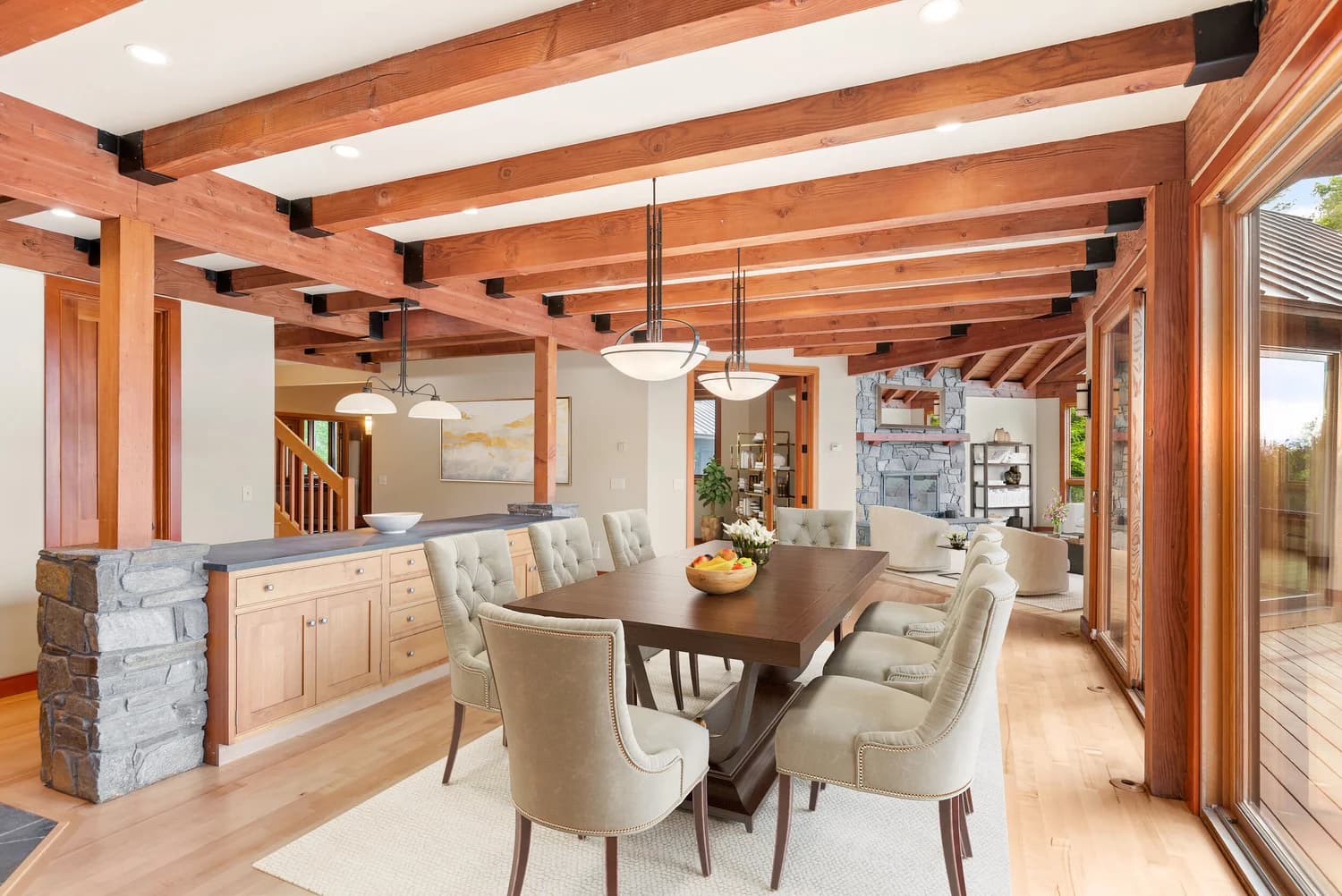
An empty concrete shell tells no story. A prospective tenant walks through raw drywall, exposed studs, and a space that reads as 'maybe.' Virtual staging fills that gap by showing what the finished space will actually look like, months before construction is done.
The tenant visualization problem
Commercial build-outs move slowly. Landlords and brokers want to lease units before or during construction, not after. Tenants need to see themselves working in the space to make a commitment. Hard hats and blueprints don't close deals.
A floor plan means something to a developer. It means nothing to a prospective chef, boutique owner, or medical practice looking at their future clinic. They need to see the counter. The light. Where the desk goes.
Physical staging costs money and takes time. Furniture rental, installation, photography delays. Virtual staging gives you a finished image in days, not weeks.
What virtual staging shows
Photoreal rendering places actual furniture, finishes, and lighting into photographs of your shell space. The tenant sees:
- Flooring type and color
- Wall finishes and paint
- Counters, cabinetry, and built-ins
- Lighting fixtures and ambient light
- Furniture layout and flow
- Signage and branding placement
- Realistic shadows and reflections
Unlike flat 3D renderings or floor plans, photoreal staging is shot from real camera angles in real light. It reads as a finished space, not a concept.
Timeline wins
Most commercial tenants want to see a finished product before signing a lease. Virtual staging compresses that timeline. You photograph the shell now, deliver staged imagery within days, and let tenants move through lease negotiations with confidence.
This is especially valuable for:
- Multi-unit buildings with varying floor plans
- Food and beverage concepts where kitchen layout matters
- Medical and professional offices where patient flow is critical
- Retail where merchandising visibility affects rent
- Co-working and flex space where layout flexibility needs demonstration
You're not waiting for drywall dust to settle. You're marketing before the final inspection.
Virtual staging vs. physical staging
Physical staging requires:
- Rental furniture contracts (weeks to arrange)
- Installation labor (1-2 days on-site)
- Styling and coordination (3-5 days lead time)
- Removal after photos (more labor)
- Actual square footage consumed by furniture
Virtual staging requires:
- One photography shoot (your standard residential turnaround is 24 hours; commercial is longer but specific to project scope)
- Digital rendering (2-3 days)
- Unlimited variations (different furniture configs, color schemes, signage)
- No physical footprint
- Easy edits if lease terms change finishes
You're also not paying furniture rental or moving costs. The tenant can request iterations without rearranging a room.
Real leasing outcomes
Tenants make faster decisions when they see themselves in the space. A photo of finished finishes, realistic light, and functional layout removes a major objection from the negotiation. You're not asking them to imagine. You're showing them.
Virtual staging also protects you from overbuilding to specs. If a prospective tenant wants to see 12 different counter materials or layouts before committing, you render those variations digitally. You save time and stay flexible on lease economics without bleeding construction overages.
When to photograph
The best time to shoot is when drywall is up and finished but before final MEP rough-in is complete. You want a clean, blank canvas that renders naturally with furniture and finishes. If you're adding lighting fixtures or custom cabinetry, note those in the photograph so the renderer can integrate them into the staged image.
If your build-out is already finished, virtual staging still works. It lets tenants see alternative configurations or furniture styles without moving anything.
The practical move
Virtual staging is not a substitute for the real space. The tenant will still walk the build-out. But they'll walk it with context, not imagination. They'll measure their furniture against rendered furniture. They'll understand the light direction and color story before day one.
This is especially useful in South Florida and New England markets where commercial real estate moves fast and tenants want certainty before signing.
Ready to stage your build-out? Check pricing for commercial renderings and virtual staging.