
Pre-construction renderings that pre-sell units: what we deliver and why
Photoreal 3D renderings let buyers commit before a shovel breaks ground. Here's what Flylisted produces and why it moves inventory faster than floor plans alone.
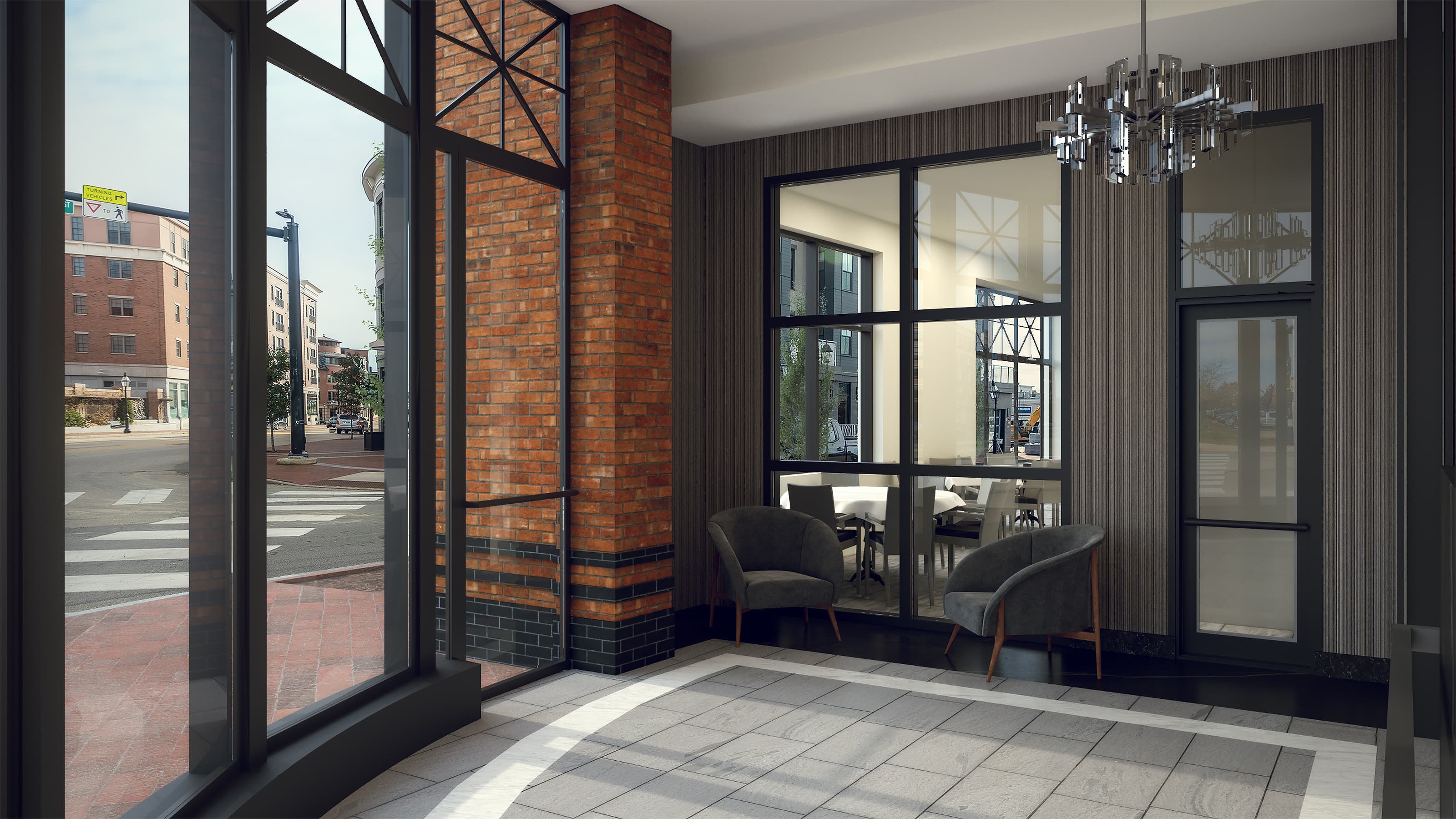
Buyers don't buy what they can't see. If your sales program relies on floor plans and a site map, you're asking people to spend six figures on a concept. Photoreal renderings close that gap.
What "photoreal" actually means
A lot of studios sell renderings that look like renderings. Flat light, plastic materials, stock-photo skies pasted behind CGI facades. Buyers notice. It reads as unfinished, and unfinished translates to uncertainty at the contract table.
Photoreal means the output is indistinguishable from a photograph at a casual glance. Accurate material textures, correct shadow angles for the property's latitude and season, real-world lighting conditions inside the units. When a prospect sees a rendering of the master suite at golden hour, they should feel the room, not decode a digital model.
At Flylisted, we build our 3D renders from the same architectural files you're already working with. CAD drawings, BIM models, site plans. We don't ask you to re-document your project. We take what exists and build the visual package around it.
What's included in a rendering package
Every project is scoped to the development, but our core pre-construction packages for residential and multi-family typically include:
- Exterior hero renders. Street-level and elevated perspectives showing the finished building in context, often combined with drone-accurate site backgrounds.
- Interior unit renders. Key rooms for each unit type: living areas, primary bedrooms, kitchens, baths. These are staged virtually to match the spec finish level you're selling.
- Amenity renders. Pool decks, lobbies, co-working spaces, fitness rooms. These sell the lifestyle around the unit, which is what closes deals in multi-family.
- Aerial site renders. Especially useful for phased developments where buyers need to understand how the finished community sits on the land.
For hotel and resort projects, we extend this into room type renders, F&B space visualization, and outdoor amenity sequences that support both pre-opening sales and brand investor decks.
Why renderings accelerate your sales timeline
Here's the practical case. A development with a 12-to-24-month build schedule has a window where sales velocity determines everything downstream. Presales reduce financing risk. Presales let you hit lender thresholds. Presales give your sales team something to show at launch instead of a construction fence.
Renderings do three things for that timeline:
They replace imagination with evidence. Buyers who struggle to read floor plans can walk through a rendered unit tour and know exactly what they're buying. Fewer objections, shorter decision cycles.
They work before the site is ready to shoot. You can't photograph a building that hasn't been built. But you can have a full marketing asset library, interior and exterior, ready on day one of your sales program.
They hold value through the build. Good renderings don't expire. They go into your sales center, your website, your digital ads, your broker outreach, and your investor presentations. One production cost, months of deployment.
We've helped market over $5 billion in residential value across our markets in New England, South Florida, California, and the Caribbean. Projects that started with strong visual programs consistently enter construction with more committed buyers than those that wait for photography.
Where construction documentation fits in
Renderings are the front end. Construction documentation is the ongoing record. For developers and general contractors, Flylisted provides regular site photography that documents progress for lenders, investors, and internal teams.
This matters more than most developers account for early in a project. Draw requests, investor updates, municipal reporting, and dispute resolution all benefit from a consistent visual record. When you're managing a $20M build and a lender wants to see progress before releasing the next tranche, professional documentation is not optional.
Our FAA Part-107 certified drone operators cover aerial progress shots across all our markets. Ground-level interior documentation captures MEP rough-in, framing, and finish stages in sequence. Everything is organized and delivered in a format your project manager can actually use.
How to scope your rendering project
The right scope depends on what you're selling and to whom. A boutique 12-unit condo building in Portsmouth needs a different package than a 200-unit mixed-use tower in Miami. The questions that drive scope:
- How many unit types are you selling? Each type needs its own render set.
- What's the finish specification? High-spec interiors need high-spec staging. The rendered kitchen should match the allowance your buyers are seeing in the contract.
- What's your sales timeline? If launch is 60 days out, production needs to start now. Photoreal rendering is not a two-week turnaround.
- What other marketing assets will this work alongside? If you're building a brand film or a full website, the rendering style should be consistent with the overall visual direction.
We scope and price each project directly. No package tiers that force you into assets you don't need.