
Twilight video for resort marketing: ambient lighting techniques
Twilight video captures resort ambiance when natural light fades. Learn the lighting setup, timing, and gear choices that make the difference.
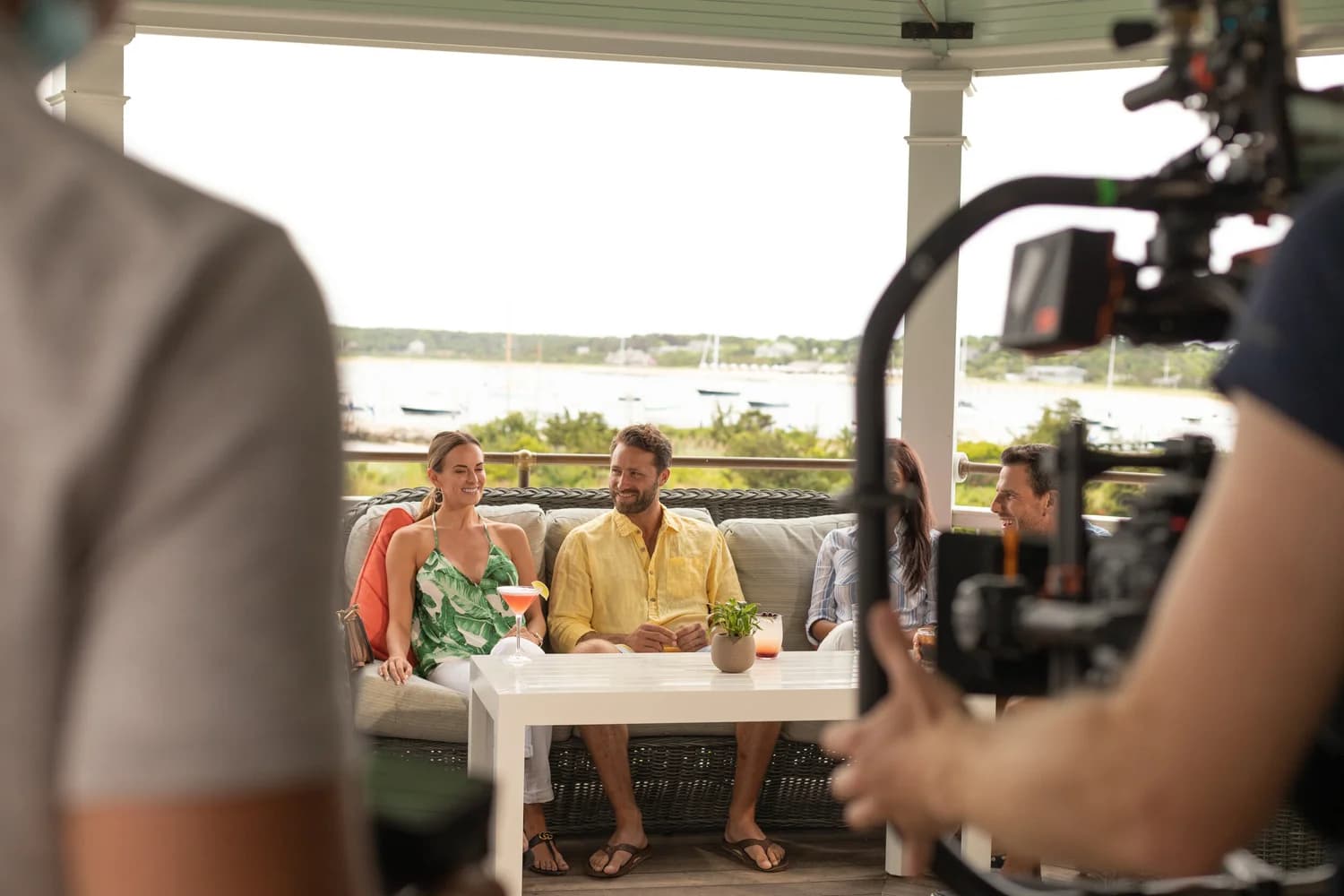
Twilight video sits between day and night. The sun is below the horizon, but the sky still holds color. For resorts, this is prime time. Guests see what the property looks like when they arrive for dinner or evening events. The light is soft. Shadows are minimal. And you can still see detail in the landscape.
The catch: you have maybe 20-30 minutes to capture what you need. Miss the window, and you're shooting in full darkness or waiting for next sunset.
Why twilight matters for resort marketing
A resort at noon looks different from a resort at dusk. Midday sun is harsh. Shadows fall hard. Pools and outdoor spaces feel less inviting. Twilight does the opposite. The ambient light wraps around buildings and grounds evenly. Architectural features read better. Water reflects the colored sky. Guests see the property the way they'll experience it during their stay.
For video, twilight creates a cinematic mood without heavy-handed color grading. The natural transition from sunset to ambient light feels real. Viewers trust it.
Timing and scouting
Sun position matters. You need to know when the sun will drop below the horizon at your resort location. Apps like Magic Hour or Photographer's Ephemeris show you exact times and light direction. Scout the property beforehand. Identify which angles benefit from the twilight direction. Which facades catch the last light? Where does ambient reflection off water or surfaces help?
Plan to shoot 10-15 minutes after sunset. That's when the sky has color but darkness is deep enough for ambient lighting to show. Start earlier if you want to capture the transition from warm to cool tones.
Weather is unpredictable. Clouds, haze, or pollution can dull the sky or block color entirely. Build scouting time into your schedule so you can adjust positioning or timing on the day of shoot.
Lighting setup for twilight video
Ambient light at twilight is low. Your camera sensor needs help, but the setup stays minimal.
LED fixtures on 5600K or daylight balanced settings work well. Position them to mimic the direction of remaining sky light, usually from above and to the side. Avoid flat, frontal lighting. Directional light creates depth and atmosphere. A single key light often outperforms multiple fill units, especially for wide establishing shots.
On architectural features (building facades, entrances, accent walls), use warm-toned LEDs to complement the cool twilight sky. This contrast is what makes the composition pop. For pools or water features, place lights just out of frame to illuminate the surface and reflections.
Infra-red or practice-mode focus can help in low light. Manual focus with a focus puller or video monitor is safer if your crew allows it. Test autofocus in the actual ambient conditions before rolling.
Camera settings for twilight video:
- ISO 1600-3200 depending on available light and your sensor
- Shutter speed 1/48 or 1/50 for 24fps (standard 180-degree rule)
- Aperture wide open (f/1.4 to f/2.8) if depth of field permits
- White balance 5600K unless you want intentional warmth
Common mistakes to avoid
Over-lighting kills twilight feel. If your LEDs wash out the natural sky color, dial them down. Let the ambient light do the work. Guests book resorts for the experience. Overwrought lighting says studio, not resort.
Ignoring the sky. A bland, washed-out sky makes the whole shot flat. Position your frame so the sky occupies at least one-third of the composition. Let it breathe.
Arriving unprepared. Twilight waits for no one. Have your crew, gear, and shot list ready. Scout in daylight. Rehearse camera movement. On set, you need to move fast.
Wrong white balance. Shooting in daylight balance during twilight can make the sky gray instead of blue or purple. Test your white balance before you roll. Shoot a reference chip if your camera supports it.
Building your final edit
Twilight footage pairs well with ambient music and voiceover. No aggressive cuts needed. Let the light and composition speak. A slow push-in, a subtle crane move, or a gentle pan often outperforms rapid cuts in the context of resort marketing.
Color grade subtly. Twilight should feel natural. Oversaturated blues or purples read as artificial. Enhance contrast and warmth in the shadows, but preserve believability.
Layering twilight shots with day and night footage creates a complete picture of resort life. Guests see the place 24 hours, not just one moment.
Next steps
Twilight video is worth the production time. It shows your resort at a moment guests actually experience it. The technical demands are real, but the payoff is a marketing asset that stands out.